Build Your Career With Omnia360, an Industry-Leading Facilities Management Organization

Join a team that values expertise, invests in growth, and rewards excellence.
Who Is Omnia360?
Omnia360 is a trailblazer in the facilities management sector, delivering solutions to both large and small businesses. Founded by industry veterans who saw the need for a smarter, more strategic approach to facilities operations. Omnia360 has grown into a trusted partner for clients across healthcare, commercial, retail, and beyond.
We’re built on the principle that expertise and consistent service can transform facilities management from a cost center into a success driver. Today, we’re recognized for comprehensive facilities management solutions and a dedicated team that’s passionate about making an impact.
What Sets Omnia360 Apart
Organizations across industries benefit from an experienced facilities management provider. When you join our team, you’re joining a sector that is always growing. That makes us an excellent career choice for driven workers who believe in quality work. Here’s what you can expect at Omnia360:
Comprehensive Benefits
We believe every team member deserves support beyond the workplace. We offer comprehensive health, dental, and vision coverage, as well as robust retirement planning options. Our benefits provide peace of mind and help you and your family thrive.
Performance-Based Advancement
Your career growth is important to us. At Omnia360, we offer clear, structured pathways for advancement. Promotions and rewards are based on your results and commitment, not tenure alone. If you’re serious about success, we’re here to help you grow.
Stability and Business Growth
While we’re based in Cincinnati, Omnia360 is expanding nationwide, creating new opportunities for talented professionals to advance their careers in a stable environment. As we grow, we need ambitious people interested in building something great together.
Browse Job Openings at Omnia360
Professional Development and Leadership Opportunities
Whether you’re new to facilities management or are experienced in one or more areas of commercial maintenance, we offer plenty of professional development opportunities. Take ownership of your career trajectory by joining our team. We offer:
Ongoing Training
Stay ahead of industry changes with our continuous training programs. We invest in cross-training and technical learning so you can broaden your expertise and stay current with the latest best practices in bundled facility services.
Certification Support
We support our team in achieving key professional certifications. This boosts your career and skills through ongoing documentation of your abilities and achievements.
Mentorship and Leadership
Connect with some of the industry’s brightest minds. Our experienced team members offer mentorship, guidance, and leadership development to help you reach your professional goals. Whether you’re early in your career or ready for the next level, Omnia360 provides the learning and support to confidently take that step.

Our Culture and Values
- Quality Work: We pride ourselves on getting it right the first time, focusing on attention to detail and accountability in everything we do.
- Performance and Innovation: Success is built on teamwork. We share facility management innovations and brainstorm solutions to improve service.
- Client Partnership: Our goal is to build long-term client relationships, making their challenges are own and delivering exceptional outcomes every time.
We foster an environment where you’re encouraged to share ideas, take initiative, and be recognized for your strengths. When you join our team, you become part of a company where every voice is valued and every contribution drives our shared success.
Have Questions? Give Us a Call!

Career Opportunities at Omnia360
Omnia350 offers a broad range of specialized services, providing career paths for people with a wide variety of technical and professional backgrounds. Our service teams include:
- HVAC: Installation, maintenance, and emergency repair of commercial heating and cooling systems.
- Electrical: Expertise in troubleshooting issues, making electrical repairs, and installing system upgrades.
- Plumbing: Comprehensive plumbing services ranging from preventative maintenance to emergency repairs.
- Janitorial: Delivering environments that are safe, hygienic, and welcoming for both clients and employees.
- Facility Management Operations: Coordination, planning, and technology-driven solutions that keep complex facilities running smoothly.
From hands-on technicians to experienced facilities management leaders, we offer the environment and mentorship to help you succeed.

Ready to Join Our Team?
View our current openings and take the next step in building your career with an industry leader who invests in your potential. We look forward to welcoming you to the Omnia360 team!
What Does a Facility Manager Do? Key Roles and Outsourcing Benefits

Skilled facilities management professionals are essential for maintaining safe, efficient, and productive workspaces in organizations. Understanding the details of the facilities manager job description is the first step to improving operational efficiency, ensuring compliance, and optimizing space utilization.
What is a Facility Management Professional?
A facility management professional (FMP) runs and maintains a building or group of buildings. They focus on efficiently and effectively providing logistics and support services related to property and buildings.
This role involves a wide range of responsibilities to ensure the facilities are safe, efficient, and suitable for the activities they are designed to support. This job combines multiple disciplines to ensure the built environment’s functionality, comfort, safety, and efficiency by coordinating people, places, processes, and technology.
Key aspects of the role include:
- Maintenance and repairs: Managing the upkeep of all building systems, such as HVAC, plumbing, and electrical, ensuring they operate efficiently and reliably.
- Safety and security: Implementing and maintaining safety protocols, ensuring compliance with health and safety regulations, and managing security systems and procedures to protect the facility and its occupants.
- Space management: Strategically planning and optimizing space within the building to effectively meet the organization’s needs.
- Budget management: Creating and managing budgets for facility operations, including costs related to maintenance, repairs, and capital improvements.
- Vendor management: Coordinating and supervising the work of external contractors and service providers to ensure quality and cost-effectiveness.
- Sustainability: Developing and executing sustainable practices to reduce the facility’s environmental impact, such as energy conservation and waste reduction initiatives.
- Emergency preparedness: Formulating and implementing emergency response plans to handle potential emergencies like fires, natural disasters, and other crises efficiently.
Related Post: Fire Protection for Your Commercial Building
Understanding the Facilities Manager Job Description
A facilities management professional needs a broad skill set, including technical expertise and problem-solving skills.
The team at Omnia360 offers comprehensive services to support these functions, including bundled services, integrated facility solutions, and on-site support to enhance facility operations and ensure efficiency.
Technical Knowledge
A facilities manager needs to understand building systems and infrastructure. This includes knowledge of HVAC systems, plumbing, electrical setups, and general maintenance.
This knowledge helps the facilities manager oversee repairs, ensure systems work well, and predict potential issues before they become big problems.
Project Management
The successful operation of a facilities manager relies heavily on the effective management of projects. This multifaceted skill set involves meticulous planning, hands-on execution, and thorough oversight of diverse projects, including renovations, system upgrades, and space reconfigurations.
Omnia360’s dedicated facility managers provide comprehensive project management services, meticulously guiding each project from its initial planning stages to successful completion. With a keen focus on overseeing timelines, budgets, and resources, these managers ensure that projects are delivered on time and within financial constraints.
Leveraging project management skills, facility managers coordinate multiple tasks simultaneously, consistently delivering successful outcomes aligning with the organization’s requirements.
Financial Awareness
A facilities manager must be skilled at managing money effectively to create and manage budgets. This means planning for everyday costs, keeping up with maintenance expenses, and making big improvements.
Omnia360’s bundled services offer affordable solutions by combining many services under one provider, making managing money and controlling budgets easier. By handling budgets carefully, the facilities manager ensures resources are used well, and the organization gets the most for its investments.
Communication Skills
Facilities managers must communicate effectively with building occupants, senior management, and external vendors to ensure everyone is informed about maintenance schedules, safety rules, and any issues affecting their work.
Related Post: How Do Facility Management Companies Ensure Building Safety?
Omnia360’s integrated facility solutions facilitate communication and coordination, making processes more transparent and efficient. Strong interpersonal skills make it easier to build a collaborative environment, coordinate efforts, and solve problems.
Problem-Solving
A successful facilities manager demonstrates a proactive approach to problem-solving by quickly identifying and addressing issues, anticipating potential problems, and implementing preventative measures.
Our on-site solutions provide businesses with dedicated support to promptly and effectively resolve issues. The facilities manager’s strong problem-solving skills enable efficient navigation of challenges, ensuring smooth operations and minimal disruptions. This capability is crucial for maintaining a safe and efficient environment.
Leadership
Leadership is an essential skill for facilities managers, who often oversee a team of facility staff and coordinate with various departments. Effective leadership involves guiding and motivating team members, delegating tasks appropriately, and fostering a positive and productive work environment.
Leveraging Omnia360’s Facility Management Services
Outsourcing facilities management is a strategic choice for many organizations.
Related Post: What are ‘Hard’ and ‘Soft’ Facility Management Services?
Collaborating with a specialized provider enables companies to access specialized services, lower operational expenses, and devote more attention to their primary business operations.
Benefits of Outsourcing Facilities Management
- Cost Efficiency
Outsourcing facilities management can lead to significant cost savings. Our bundled services combine multiple facility management tasks under one provider, streamlining operations and reducing expenses. This approach eliminates the need for multiple vendors, lowers administrative costs, and leverages economies of scale.
- Access to Expertise
Our team brings extensive industry experience to the table. Integrated facility solutions provide businesses access to a team of experts who can manage everything from routine maintenance to complex projects.
This ensures that all aspects of facility management are handled professionally and efficiently.
- Focus on Core Activities
By outsourcing facilities management, organizations can concentrate on their primary business functions.
Omnia360’s comprehensive services cover all facility-related tasks, allowing internal teams to focus on strategic goals and core competencies without the distraction of facility issues.
- Scalability and Flexibility
Omnia360 offers scalable solutions that can adapt to an organization’s changing needs.
Whether you need Site-Based Solutions for dedicated on-site support or Mobile Solutions for flexible, on-the-go maintenance, Omnia360 can tailor our services to fit your requirements. This flexibility ensures your facility management strategy can grow and evolve with your business.
- Improved Efficiency and Performance
With project management expertise, organizations can ensure all projects are completed on time, within budget, and to the highest standards. Our coordinated approach to managing projects, vendors, and maintenance activities improves operational efficiency and building performance.
- Enhanced Safety and Compliance
We’ll help your organization maintain compliance with health, safety, and environmental regulations. Omnia360’s proactive maintenance and vendor management services ensure that all aspects of facility operations meet the required standards, reducing risk and providing a safe environment for occupants.
Omnia360’s Service Offerings
- Mobile Solutions: Provide on-the-go access to maintenance services, ensuring timely responses to facility issues.
- Project Management: Oversee renovations, system upgrades, and space reconfigurations, ensuring projects are completed efficiently and effectively.
- Bundled Services: Combine multiple facility management tasks under one provider, streamlining operations and reducing costs.
- Integrated Facility Solutions: Offer a holistic approach to facility management, covering all aspects of operations, maintenance, and support.
- Site-Based Solutions: Provide dedicated, on-site support for immediate and effective issue resolution.
- Vendor Management: Handle the coordination and oversight of external contractors, ensuring high-quality service delivery and streamlined operations.
Contact Omnia360 for a Free Assessment
Outsourcing facilities management to a provider like Omnia360 can significantly enhance your building operations’ efficiency, cost-effectiveness, and overall performance. Get in touch with our team to apply for a position or request a FREE assessment.
The Role of Environmental Services Technicians in Facility Management

In facility management, environmental services technicians keep our spaces clean, safe, and conducive to productivity.
Their work aims to maintain environmental quality in commercial, industrial, and institutional settings.
What is an Environmental Services Technician?
An environmental services technician maintains indoor spaces’ cleanliness, hygiene, and safety standards.
Related Post: Factors Affecting Commercial Cleaning Costs
You might see these professionals at office buildings, hospitals, manufacturing facilities, or educational institutions. An environmental services technician’s primary goal is to make sure these spaces meet regulatory requirements and provide a healthy atmosphere for occupants.
Environmental Services Technician Job Description
The job description of an environmental services technician encompasses many responsibilities specific to the facility they serve.
Related Post: Commercial Janitorial Services and Facility Solutions
Omnia360 is currently hiring environmental services technicians for roles like housekeeping, laundry attendant, and supervisor.
Here’s a summary of some typical tasks associated with this role.
- Cleaning and sanitization: Environmental services technicians clean and sanitize areas within a facility, including restrooms, common areas, and workspaces. This involves cleaning agents, equipment, and techniques to eliminate dirt, germs, and other contaminants.
- Waste management: Environmental technicians collect and dispose of waste materials according to regulatory guidelines. This may involve handling hazardous materials safely, especially in environments like hospitals, and ensuring compliance with waste disposal regulations.
- Indoor air quality management: Indoor air quality (IAQ) significantly impacts the health and well-being of building occupants. In this job, you might be expected to monitor and improve IAQ through ventilation maintenance, air filtration, and pollutant control.
- Emergency response: Technicians are expected to respond swiftly to emergencies such as spills, leaks, or contamination.
- Compliance and documentation: Technicians are responsible for understanding relevant regulations. This may involve conducting inspections, documenting procedures, and reporting non-compliance issues.
- Training and education: This role may also provide training and education for best practices for environmental hygiene, waste management, and safety protocols.
Role of Environmental Service Technicians in Facility Management
Environmental services technicians bring their expertise to ensure commercial, industrial, and institutional spaces remain in top-notch condition.
What sets Omnia360’s environmental services technicians apart is their tailored approach to each facility’s specific requirements, whether an office building, a hospital, or a manufacturing facility.
In addition to their expertise in cleaning and maintenance, environmental services technicians contribute to facility management’s overall efficiency and cost-effectiveness. Omnia360’s integrated solutions streamline processes, eliminating the need for multiple service providers, resulting in reduced overhead costs.
Partnering with Omnia360’s service technicians means elevated responsiveness in facility management. Operating 24/7, we’re available to address any cleaning or maintenance issues as they happen. This around-the-clock availability provides peace of mind and enhances operations efficiency.
Quality assurance is another top priority for environmental technicians, who conduct regular inspections to ensure that their service meets high standards of excellence.
Related Post: How Regular Janitorial Inspections Save You Money by Omnia360
Businesses can entrust the upkeep of their spaces to capable hands, allowing them to concentrate on other core services while ensuring a clean environment.
Facility Management With Omnia360
Collaborating with environmental service technicians results in cleaner, healthier, and more sustainable spaces. Learn more about Omnia360’s integrated facility management services, apply for a position, or request a FREE assessment.
Your Guide to Winterize Your Landscaping

Winterizing your landscaping is crucial for the health and longevity of your plants and the overall appeal of your property.
In this guide from Omnia360, we’ll share the steps to ensure your landscaping thrives despite the cold temperatures.
Pruning and Trimming
One of the first tasks in winterizing your landscaping is to prune and trim your plants and trees. Remove any dead or diseased branches. They are more susceptible to breakage under the weight of snow and ice. Proper pruning promotes healthier growth in the spring and reduces the risk of winter damage.
Omnia360 recommends scheduling pruning sessions in late fall or early winter to allow plants to enter dormancy without the stress of recent cuts.
Mulching for Insulation
A layer of mulch around the base of trees, shrubs, and perennial plants provides insulation and protection during winter. Mulch helps regulate soil temperature, preventing extreme fluctuations that can harm roots. A 2-4 inch layer of organic mulch, such as bark or compost, is ideal for retaining moisture and providing a buffer against freezing temperatures.
Related Post: Commercial Landscape Maintenance Guide
We want to emphasize the importance of keeping mulch a few inches away from the base of trees and plants to prevent rot and discourage pests.
Watering, Hydration, and Sprinkler Systems
Hydration is crucial for plant survival during winter, especially evergreens that continue to lose moisture through their leaves. Before the ground freezes, ensure your landscaping receives a thorough watering. Well-hydrated plants are better equipped to withstand winter stress and are more resilient to freezing temperatures.
Pay attention to the moisture levels throughout the winter, providing supplemental water during dry spells when the ground is not frozen.
Winterizing a Commercial Sprinkler System
This step is crucial to protect your system from freezing temperatures, which can lead to costly damage.
Follow these steps to winterize your commercial sprinkler system:
Shut Off the Water Supply
Locate the main shut-off valve for your sprinkler system and turn it off. This valve is usually in a heated area like a utility room or basement.
Drain the System
After turning off the water supply, drain the water from the sprinkler system. Open all the drain valves and low-point drains, allowing water to flow out. Ensure that water is completely drained from the mainline, lateral lines, and all the sprinkler heads.
Open Drain Valves
Open all the drain valves and test cocks on backflow preventers. This step is crucial for preventing water from freezing inside the components.
Use Compressed Air
Connect an air compressor to the system using a proper fitting. Gradually increase the air pressure, starting from the furthest sprinkler head from the compressor. Blow out each zone separately until no water comes out of the heads. Repeat this process for each zone in the system.
Check Pressure
Monitor the air pressure during the blowout process, ensuring it stays within the recommended range for your sprinkler system. Excessive pressure can damage the system.
Inspect and Clean Sprinkler Heads
While the system is depressurized, inspect and clean all sprinkler heads. Remove any dirt, debris, or mineral buildup that may affect the system’s performance.
Protect Backflow Preventer
Wrap the backflow preventer with insulation or a thermal blanket to shield it from extreme temperatures. This is especially important as backflow preventers are sensitive to freezing conditions.
Store or Protect Components
Remove and store above-ground components, such as backflow preventers and controllers. If removal is not possible, consider insulating these parts.
Clearly label shut-off valves, backflow preventers, and other critical components. This documentation will be helpful during the spring start-up.
Monitor Weather Conditions
If unseasonably cold weather is predicted, take additional precautions, such as adding insulation or scheduling an extra blowout.
If you’re unsure about any aspect of the process or lack the necessary equipment, contact the team at Omnia360 for a thorough winterization process.
Protecting Vulnerable Plants
Some plants, especially newly planted or tender varieties, are more susceptible to winter damage.
Protective coverings such as burlap wraps or frost blankets provide insulation while allowing air circulation, preventing heat buildup, and reducing the risk of diseases. Remove the covers during milder days to allow the plants access to sunlight and fresh air.
Snow and Ice Removal
Heavy snow can lead to bent or broken branches, especially on evergreens. Safely remove excess snow from branches using a broom to prevent damage.
Related Post: What are ‘Hard’ and ‘Soft’ Facility Management Services?
Ice accumulation is another concern, weighing down branches and causing breakage. We advise against using salt-based de-icers near plants, which can harm the soil and roots. Environmentally friendly alternatives such as sand or calcium magnesium acetate can improve traction on icy surfaces.
When to Call in the Professionals
Winterizing landscapes may be efficiently addressed by outsourcing to a facility management company.
Related Post: Why Your Landscaping Business Needs Facility Management
One of the primary challenges businesses face is a lack of expertise in crafting a tailored winterization plan. Omnia360 brings in professionals who can conduct thorough assessments, ensuring a customized winterization strategy.
Our team possesses the right tools and equipment for the job and prioritizes safety. We’ll address concerns about handling potentially hazardous tasks during winterization.
Additionally, businesses deal with time constraints, making finding the necessary hours for comprehensive winterization challenging. By outsourcing this work, companies can focus on priority work without compromising their landscaping.
Contact Omnia360 Facility Solutions for Landscape Maintenance
Winterizing your landscaping is an investment in the long-term health of your property. Contact us at (833) 360-6642. The team at Omnia360 provides around-the-clock, comprehensive services that work with your in-house team.
How Often Should Commercial HVAC Be Serviced?
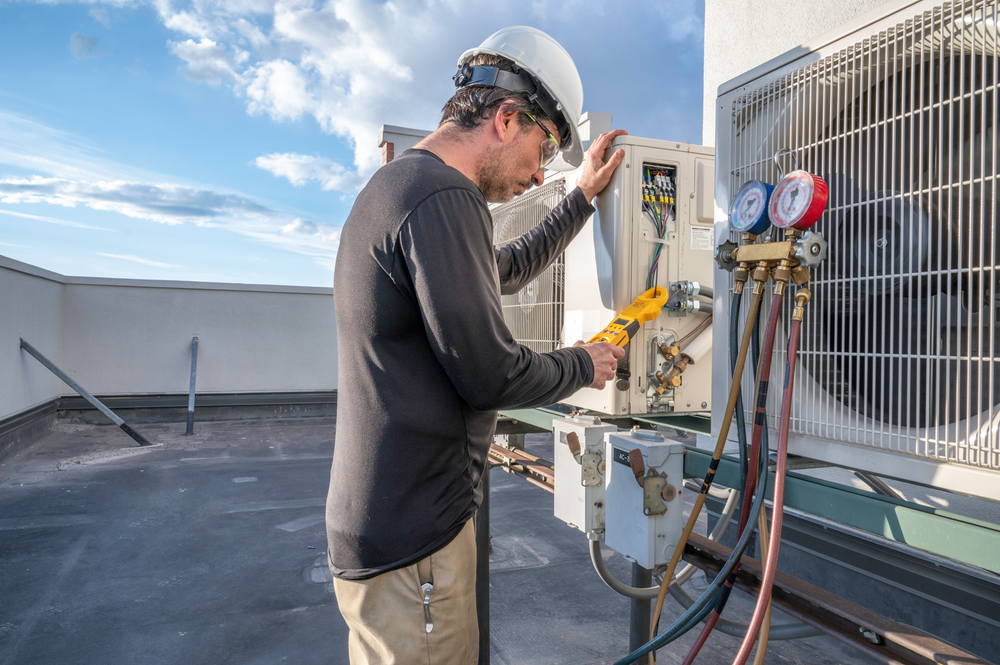
You probably don’t think about your business’s HVAC system every day. It’s easy to take it for granted—until it falters. To ensure your commercial HVAC system operates at its best, how often should it be serviced?
From energy efficiency to cost savings and environmental impact, we’ll share what goes into preventative care for commercial HVAC systems.
How Often Should Commercial HVAC Be Maintained?
A general guideline is to perform routine maintenance at least twice a year.
However, the frequency of maintenance for commercial HVAC systems can vary depending on factors such as the type of system, the size of the facility, the local climate, and the business’s specific needs.
Here is a suggested maintenance schedule.
Spring and Early Summer:
- Check and replace air filters.
- Inspect and clean evaporator and condenser coils.
- Inspect and clean drain pans and condensate lines.
- Check refrigerant levels.
- Inspect ductwork for leaks.
- Test thermostat operation.
Fall and Early Winter:
- Check and replace air filters.
- Inspect and lubricate fan motors and other moving parts.
- Inspect and clean burners (for heating systems).
- Check and tighten electrical connections.
- Test the heating system.
- Inspect the overall system for any signs of wear or damage.
Additionally, some components may require more frequent attention. For example, air filters may need to be checked and replaced more often, especially in environments with high dust or pollutant levels.
Another consideration is how hard your HVAC system works. Are there large, wide-open spaces that utilize exhaust fans? Do you need a clean room for precision work? Are there rooms that must be kept at precise temperatures? What about rooms that get too hot or too cold due to your industrial processes? You may need quarterly maintenance or checks for special conditions.
Related Post: How Facility Management Services Lower Your Energy Bill
These are general guidelines, and specific HVAC systems may have their own recommended maintenance schedules provided by the manufacturer. Regular maintenance helps ensure the efficient operation of the HVAC system, improves energy efficiency, prolongs equipment life, and reduces the risk of unexpected breakdowns at the most inconvenient times. Establishing a routine maintenance plan and working with a qualified team can help keep your system in optimal condition.
How Long Do Commercial HVAC Systems Last?
The lifespan of a commercial HVAC system can vary depending on the type of system, its usage, the quality of installation, and the level of maintenance it receives. Commercial HVAC systems can last anywhere from 15 to 25 years on average.
Here are some factors that can influence the lifespan of a commercial HVAC system.
Type of system: Different types of HVAC systems have different lifespans. For example, rooftop packaged units, which are common in commercial settings, typically have a lifespan of 15 to 20 years.
Maintenance: Regular and proper maintenance is crucial for extending the lifespan of an HVAC system. Routine inspections, cleaning, and timely repairs can prevent breakdowns and ensure the system operates efficiently.
Usage and load: The frequency and intensity of HVAC system usage impact its lifespan. Systems that constantly run or experience extreme temperature variations may wear out more quickly.
Installation quality: A properly installed HVAC system is likely to have a longer lifespan. Poor installation can lead to issues such as improper airflow, which can strain the system and reduce efficiency.
Technological advances: Advancements in HVAC technology may lead to more efficient and durable systems. Older systems may become outdated and less energy-efficient over time.
Environmental conditions: The climate conditions in which the HVAC system operates can affect its lifespan. For example, systems in coastal areas may be exposed to salt air, which can accelerate corrosion.
Manufacturer and model: The equipment’s quality and the manufacturer’s reputation can influence the system’s lifespan. High-quality systems from reputable manufacturers may have a longer operational life.
Businesses need to monitor the performance of their HVAC systems, conduct regular inspections, and follow a proactive maintenance plan to maximize the lifespan of the equipment. There are high-tech ways to do this with IoT devices and sensors that deliver data wirelessly to a facility management software suite.
Related Post: 6 Signs It’s Time to Replace Your Commercial HVAC System
When a system reaches the end of its lifespan or experiences frequent issues, replacing it with a newer, more efficient model may be more cost-effective. Regular consultations with HVAC professionals can help businesses decide when to repair or replace their commercial HVAC systems.
Is HVAC Preventative Maintenance worth it?
Yes, HVAC preventative maintenance is worth it. Regular maintenance provides several benefits that can save you money in the long run and ensure the optimal performance of your HVAC system.
Related Post: 4 Phases of Planned HVAC Maintenance Explained
Here are some key reasons why preventative maintenance is worthwhile.
- Energy efficiency: Regular maintenance ensures your HVAC system operates at peak efficiency. Clean coils, well-lubricated components, electrical switches and capacitors working well, and proper airflow all contribute to reduced energy consumption.
- Extended equipment lifespan: Routine maintenance helps identify and address potential issues before they become significant problems. This proactive approach can extend the lifespan of your HVAC equipment.
- Prevention of costly repairs: Small issues, if left unaddressed, can escalate into more extensive and more expensive problems. Preventative maintenance allows for the early detection and correction of issues.
- Improved indoor air quality: Regular cleaning and maintenance of HVAC components, such as filters and coils, improve indoor air quality. This is particularly important for commercial spaces where air quality can impact the health and productivity of occupants.
- Consistent comfort: A well-maintained HVAC system is better equipped to provide consistent heating or cooling throughout your facility. This is crucial for occupant comfort and can impact employee productivity and customer satisfaction.
- Compliance with warranty requirements: Many HVAC manufacturers require regular maintenance to maintain the warranty on their equipment. Skipping maintenance may void the warranty, leaving you responsible for repair or replacement costs.
- Reduced downtime: Scheduled maintenance allows for planned downtime when the system can be serviced without disrupting your business operations.
- Compliance with regulations: In some jurisdictions, some rules and standards require regular maintenance of HVAC systems to ensure energy efficiency and environmental compliance.
Contact Omnia360 Facility Solutions for HVAC Maintenance
While there is a cost associated with preventative maintenance, the long-term savings and benefits outweigh the initial investment. Omnia360 provides around-the-clock, comprehensive, preventative maintenance services that work with your in-house team. Contact us at (833) 360-6642.
Commercial Janitorial Services and Facility Solutions

In well-done facility management, a clean and hygienic environment is a necessity.
Commercial spaces like offices, healthcare facilities, retail establishments, or educational institutions require a comprehensive approach to their upkeep. This is where commercial janitorial services step into the spotlight as an essential part of integrated facility solutions.
Omnia360, in Cincinnati, Ohio, explains the significance of commercial janitorial services and how they contribute to a safe, healthy, and efficient working environment.
The Foundation of Integrated Facility Solutions
Integrated facility solutions mean a holistic approach to managing a commercial space, including maintenance and energy management. Commercial janitorial services are foundational in this approach by providing a well-functioning and pleasant environment.
Related Post: What are ‘Hard’ and ‘Soft’ Facility Management Services?
A clean and well-maintained space supports employees’ and customers’ health, productivity, and satisfaction.
Advantages of Commercial Janitorial Services
Health and Hygiene: The COVID-19 pandemic has shown the importance of maintaining a clean and hygienic environment.
Commercial janitorial services follow protocols to ensure that surfaces, high-touch areas, and shared spaces are regularly sanitized and disinfected. This proactive approach minimizes the spread of germs, reducing the risk of illnesses among occupants.
Positive first impressions: First impressions matter, especially for businesses that welcome clients or customers into their spaces. A well-maintained and clean environment speaks volumes about a company’s commitment to professionalism.
Occupant comfort and productivity: A clutter-free workspace contributes to occupant comfort and productivity. Employees are more likely to thrive in an organized and tidy environment.
Sustainable practices: Commercial janitorial services can adopt sustainable cleaning practices, using eco-friendly products and implementing waste reduction strategies.
Customized solutions: Different spaces have unique cleaning needs. Omnia360’s janitorial services can be tailored to meet the specific requirements of different industries, ensuring that the cleaning protocols address the distinct challenges each sector faces.
Compliance and safety: Certain industries, such as healthcare and food services, must adhere to strict cleanliness and sanitation standards to comply with regulations. Our services are aware of industry-specific requirements and can help businesses maintain compliance.
Strategies for Effective Integration
Integrating commercial janitorial services into facility management services requires strategic planning and coordination. Here’s how to make the most of this integration:
Related Post: Enhancing Efficiency: Industrial Plants & Integrated Facility Solutions
- Assessment: We’ll begin by thoroughly evaluating the facility’s cleaning needs. Identify high-traffic areas, specific sanitation requirements, and any challenges that must be addressed.
- Tailored Solutions: We’ll collaborate to develop customized cleaning solutions that align with your facility’s usage patterns, industry regulations, and budget constraints.
- Communication and Collaboration: Effective communication is critical to successful integration.
- Technology Integration: Omnia360’s team can leverage technology to enhance communication and streamline processes. Digital platforms can facilitate scheduling, track cleaning activities, and report real-time issues or discrepancies.
- Training and Development: We’ll ensure the janitorial team is well-trained in equipment usage and safety protocols. A well-trained team enhances efficiency and the quality of service provided.
A More Efficient Business
Learn more about Omnia360’s integrated facility management services or request a FREE assessment.