Omnia360 Explains Integrated Facility Solutions In The Context of Facility Management

Integrated facility solutions refer to consolidating multiple services under one contracted managerial software solution or management team. Consolidation of services as a field ranges from operations, project management, and financial constructs to HVAC control, electrical maintenance, or aesthetic lawn care.
Implementing these services under one system would improve efficiency throughout the facility, creating a domino effect of production and employee satisfaction. In today’s blog by Omnia360, we dive into the benefits of integrated facility solutions and their impact on facility management.
Reduced Costs
Cost reduction is one of the single most essential components of running a smooth and efficient business. Consolidation of work yields ten times more revenue and business profits due to minimized labor and reduction of vendor costs. Imagine being in the position of a business owner responsible for hiring a team for plumbing, HVAC, operations, project management, and electrical.
All of these areas of need are equivalent to hands reaching into a jar. The more hands inside the pot, the less visibility there is. This concept makes it hard to allocate proper material budgeting and effectively oversee multiple departments. Integrated facility management cuts out the middleman and delegates these tasks under one team, increasing productivity and decreasing operations costs.
Team and Internal Community Building
There is nothing like a constructive team to establish significant values like effective communication, joint goal-setting, and conflict resolution. Integrated facility solutions build community and rapport within the workplace.
Clear communications set the foundation for the entire system and places all team members on the same page. Work unions, focus groups, surveys, team meetings, and reviews are components of integrated facility solutions to foster relationships and align everyone’s goals with the workplace mission.
A Smooth Facility Management Workflow
Integrated facility solutions seamlessly weave all duties and systematic frameworks under one process for a smooth and steady workflow. This workflow increases efficiency and clarifies performance goals amongst contractors and executive groups.
Research is essential before commencing the transition to an integrated system. Understanding each department’s needs and work process identifies which areas are performing at maximum proficiency and areas that require more polishing.
Software Integration and Technological Advancement
Technology plays a vital role in an integrated facility solutions system. Technological platforms can integrate all facility management software under one platform to improve the production and accessibility of information like records, work requests, and analytics.
The use of an integrated tech system keeps all departments up-to-date on new reports and business metrics, preventing confusion or conflicts from multiple departments under different platforms.
Omnia360 on Integrated Facility Solutions
We specialize in optimized resolutions like integrated facility solutions for improved operations and facility management. At Omnia360, we handle managerial duties, so business owners don’t have to.
Our services range from facility maintenance like electrical and software system implementation to project management like hiring employees and budget planning. We will ensure you meet your goals every time, backed by a reliable team that values progress. Contact us to learn more about how our team can better yours or speak to a representative immediately by calling 833.360.6642.
Why Hiring Third Party Facility Management For Project Management is a Good Idea

Regarding maintaining an established business operation, the first question that comes to mind is, why would a facility outsource or hire a third-party facility to delegate its project management tasks? The number one answer to this question is convenience and goal achievement. As a business owner, it is essential to hire resourceful people with the skills you lack or a team that can maximize business efficiency without affecting the core business level.
Hiring a third-party facility management team reduces costs, adds company value, and increases productivity. In today’s blog by Omnia360, we discuss why hiring a facility management team for project management needs is a great idea.
Focus on the Core Business
When companies outsource their project management tasks to third-party companies, they are more focused on the core goals of their business and how to steer the company in that positive direction. Project management involves team coordination, data gathering, team building, business strategizing, and more. Third-party project management is more beneficial to business when leaders consistently keep the team aligned with their project goals. Companies place a significant amount of trust in project management teams to execute the tasks at hand without error, doing whatever it takes to meet the needs and deadlines of the company.
Related Post: Project Management vs Facility Management
Increased Savings and Cost Reduction
Project management teams offer integrated value and services concerning management and increased performance. A lot goes into project management beyond task maintenance and team accountability; there is real estate, facility maintenance, employee services, and more. Consolidating these tasks and business needs into the hands of one team reduces costs and allows businesses to save more on time and labor. This is massively beneficial for growing businesses or startups looking to streamline their budget.
Multi-Service Management
It is necessary to find a third party that effectively communicates and comprehends the team and your facility’s business structure. An effective project management team offers many services like a site-based staff to fulfill and improve facility maintenance, foundational needs like plumbing or HVAC, and supplying resources for digital automation to keep every worker involved on task and informed of any changes in a quick and responsive timeframe.
As you can tell, hiring a third-party for PM services is incredibly useful to your bottom line. But the benefits of teaming up with an experienced facility management company doesn’t end there. Check out our related blog post on the top five signs your company needs facility management services ASAP.
Omnia360 is Your Number One Trusted Project Management Provider
At Omnia360, we believe in tradition you can trust. With our dedicated team of experienced facility management staff, you can rest easy knowing your daily operations are in the hands of a flexible team that cares. If you require a project manager for an ongoing monthly business project, contact us online or call us at 833.360.6642
Types of Refrigerants Used in Commercial Air Conditioning Units
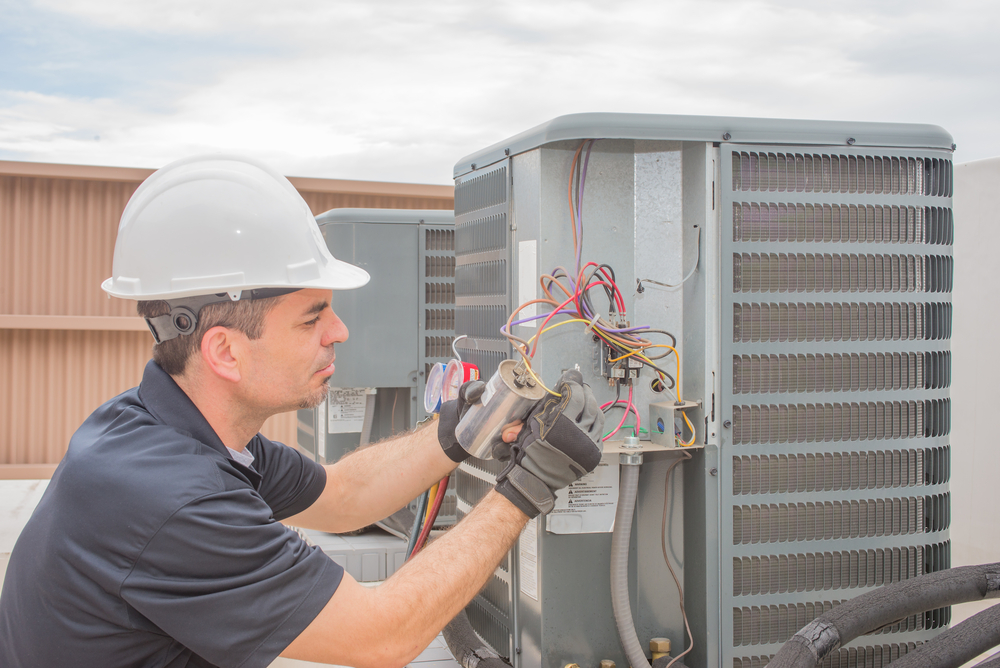
Refrigerant is a chemical compound that helps air conditioners do their job by absorbing heat from the air inside a home or business and leaving cool air behind. Knowing the different types of refrigerants used in commercial air conditioning systems can help business owners comply with refrigerant regulations and make eco-friendly choices when purchasing new HVAC equipment.
Read about some of the most common types of refrigerants used for commercial air conditioning, including details on what they’re made of and their environmental impact, in today’s blog from Omnia360 Facility Solutions.
R-12
This type of refrigerant is methane-based and is made with chlorofluorocarbons (CFCs). These are nontoxic, nonflammable chemicals that contain carbon, chlorine, and fluorine. R-12 is known to contribute to global warming and, therefore, was banned in 1994. However, if you have older HVAC equipment, it may still use R-12 refrigerant.
R-22
This type of refrigerant is also known as Freon. It’s made with CFCs, but it contains less chlorine, so it’s less harmful to the environment. Although it’s not as dangerous as R-12, it’s not considered “eco-friendly” by any means and will be phased out by 2030 due to international environmental concerns.
R-290
If you’re looking for an eco-friendly commercial air conditioning refrigerant, R-290 is a good option. It’s propane-based and flammable (which affects its ability to be shipped), but it adheres to the EPA’s SNAP (Significant New Alternatives Policy) program.
R-410A
This type of chlorine-free refrigerant is made with industrial chemicals called hydrofluorocarbons (HFCs). It’s also known as Puron. It was developed as an alternative to Freon. In comparison, Puron is more eco-friendly and also more efficient than Freon.
R-513a
This type of refrigerant is another eco-friendly option for commercial air conditioning. It’s a hydro-fluoro olefin (HFO)-based refrigerant, organic compounds made of fluorine, hydrogen, and carbon. Also known as Option XP10, R-513a is a highly efficient refrigerant option for air conditioning and is unknown to harm the earth’s ozone layer.
Need Help Choosing Refrigerant For Your Commercial Air Conditioning Needs?
Contact Omnia 360 Facility Solutions. Our licensed HVAC technicians can offer trustworthy guidance to help you make the best choice for your business. We offer customized HVAC services and packages to meet the unique needs of your business and budget, so if you’d like a quote or you want to schedule service, call us today.
How to Save Money on Your Commercial Facility’s Cooling Bills This Summer

High energy bills can quickly add up, but with the right facilities management strategies, you can significantly reduce these expenses.
Omnia360 helps companies optimize their HVAC systems to maximize efficiency and cut costs, even if your building isn’t equipped with the latest energy-efficient system.
Energy Efficiency Audits
Facility management services can run an energy efficiency audit to assess your facility’s HVAC system and find areas where energy is being wasted.
During the audit, we examine your HVAC equipment, building insulation, and sealing to identify any inefficiencies. Based on our findings, we suggest practical upgrades or adjustments, such as optimizing system settings or improving insulation, to help lower your energy bills.
Proactive Maintenance and Monitoring
Preventing costly breakdowns and ensuring your HVAC system runs efficiently starts with proactive maintenance and ongoing monitoring. At Omnia360, our facilities management team focuses on catching potential issues before they become expensive problems.
Regular inspections and maintenance checks allow us to identify wear and tear, optimize system performance, and address minor issues before they escalate.
Related Post: 4 Phases of Planned HVAC Maintenance Explained
Vendor Management for HVAC Services
Effective vendor management is crucial for maintaining your HVAC system without breaking the bank. At Omnia360, we handle all aspects of vendor management to ensure you receive reliable, cost-effective HVAC services.
Our team carefully selects HVAC contractors based on their reliability, expertise, and cost-effectiveness. By working with trusted vendors, we ensure that your HVAC repairs and maintenance are handled by qualified professionals who deliver quality service at competitive rates.
Compliance and Regulations
Facilities management plays a crucial role in ensuring your HVAC systems meet energy regulations and industry standards. Omnia360 ensures that your HVAC systems are compliant with all relevant energy codes and regulations, helping you avoid fines and penalties.
We conduct regular audits to ensure your systems are always up to code. This proactive approach helps you avoid costly violations and ensures your HVAC systems operate efficiently.
Seasonal Adjustments and Optimization
Facilities management services can implement seasonal HVAC adjustments to boost energy efficiency during peak periods. Outsourcing facility management with Omnia360 means our team conducts regular evaluations to fine-tune HVAC systems based on seasonal demands.
Related Post: Types of Refrigerants Used in Commercial Air Conditioning Units
Regular Vent Cleaning
Keeping your vents clean is essential for system efficiency. Dust and dirt buildup can obstruct airflow and force your HVAC system to work harder, increasing energy costs and potential wear and tear.
By incorporating routine vent cleaning into your facility’s maintenance plan, Omnia360’s team can help your system run smoothly and efficiently, reducing the risk of costly repairs and optimizing energy use.
Optimize Sealing and Insulation
Proper sealing and insulation are critical for HVAC efficiency. Well-sealed and insulated buildings can reduce energy output, leading to substantial savings over time.
Omnia360’s facilities management services ensure that your building’s insulation and sealing are up to par. We conduct thorough inspections to identify areas for improvement and make recommendations to enhance your existing setup.
Want a Pro to Take a Look at Your Commercial Facility’s HVAC Equipment?
Contact Omnia360 Facility Solutions for professional recommendations and maintenance services that will help reduce your cooling and heating expenses. We provide customized services and packages to save you time and money.
The Most Common Problems With Commercial HVAC Systems in Cincinnati Ohio

Maintaining a commercial HVAC system is an essential task for a business owner. Not only does it keep employees and patrons comfortable while they’re on-site, but it also ensures that energy bills don’t get out of control and health risks are eliminated due to well-maintained HVAC equipment.
Unfortunately, many things can go wrong with the equipment, primarily if it’s not maintained correctly. Here are some of the most common problems with commercial HVAC equipment and how to fix them brought to you by Omnia360.
Issues With the Drain Line
The drain line is an essential part of HVAC equipment because it diverts moisture away from the primary unit. However, sometimes it can get clogged with debris, algae, or even develop mold growth over time. This can result in leaks, water damage, and an unhealthy work environment for employees.
Improperly Sized Equipment
Often, HVAC equipment is either too large or too small for the space. If it’s too small, it won’t be able to cool or heat the building thoroughly, resulting in an uncomfortable environment for employees and patrons alike. If the HVAC equipment is too large, it won’t run efficiently, and business owners will pay the price with increased energy costs. Fortunately, inefficient heating and cooling can be resolved by investing in properly sized equipment, which an HVAC contractor can recommend.
Leaky Ductwork
Leaky ductwork is extremely common in both residential and commercial buildings. If your ventilation system has leaks or cracks, it will allow conditioned air to escape, which means the commercial HVAC equipment will have to work longer and harder to heat or cool the space. It’s also likely the main reason why a commercial building is too hot or too cold and why the energy bill is so high. Properly sealing ductwork will ensure that the space is efficiently heated or cooled, so it’s more comfortable. It will also extend the lifespan of the equipment.
Strange Noises
Weird noises like clinking or banging might occur when the HVAC equipment is first turned on. However, this isn’t normal and shouldn’t be happening. More than likely, these sounds indicate a more significant issue, such as ventilation joints that aren’t fitting together correctly or loose bolts throughout the system. An HVAC contractor can investigate these strange noises, provide adequate solutions to avoid any significant issues, and ensure the system is working safely and correctly.
Need Commercial HVAC Service? Contact Omnia360 Facility Solutions
If you’ve noticed any of these issues with your commercial HVAC equipment, Omnia360 Facility Solutions can help. We offer customized, cost-effective, and efficient packages so you can work with one single provider instead of several. Contact us today for more details! We’re happy to create a service package that is right for you and your business.
What Makes Someone a Good Salesperson? Omnia360’s Adam Heaton Weighs In
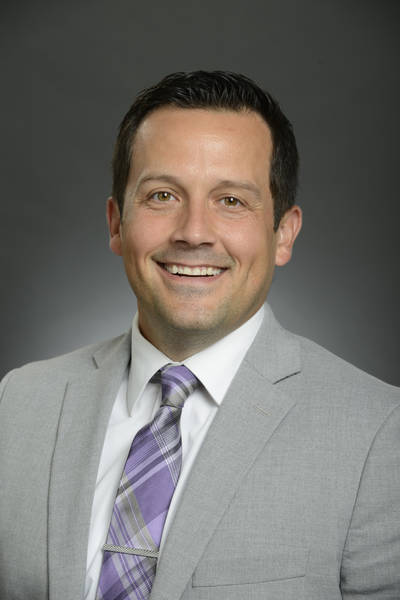
Adam Heaton, one of our dynamic leaders and the Vice President of Business Development, was asked to weigh in on what makes you a good salesperson.
His response?
Positivity.
“There can be natural friction between operations and sales teams at many companies. Casting a positive vision for each sale helps the operations team understand their importance in the company and the sales team’s appreciation of the effort and skill they provide. Similarly, a positive approach with potential customers lays the foundation for overcoming adversity together.”
Adam’s positivity is one reason why he’s a vice president with Omnia360 Facility Solutions. His passions include building relationships and problem-solving for customers.
Read the entire business journal article here to find out what else makes someone a great salesperson.
Contact Adam and the team at Omnia360 Facility Solutions today to find out what we can do for your facility management needs.