How Facility Management Boosts Your Building’s Energy Efficiency
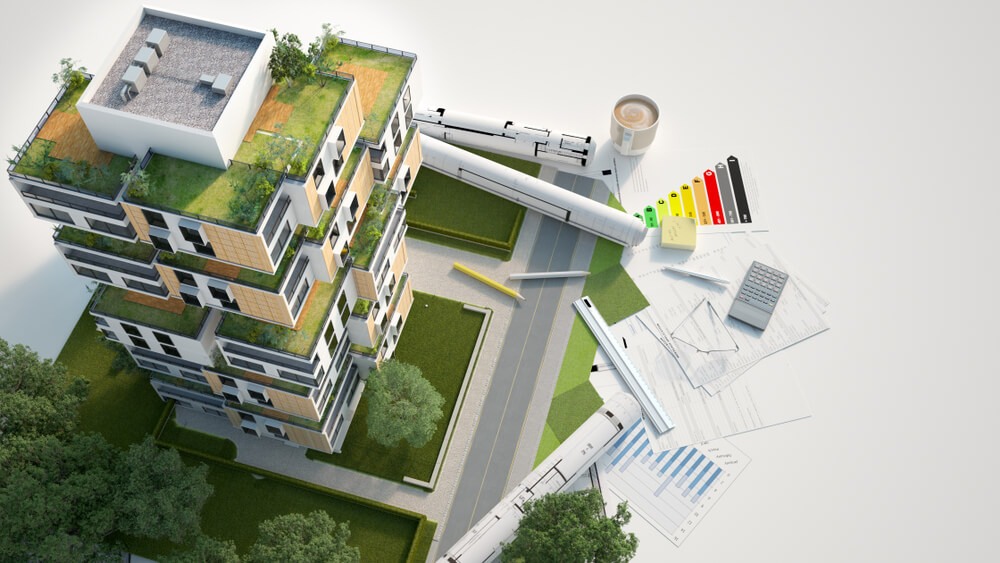
A facility manager’s job is to find ways to save on a commercial or industrial building’s operational costs. Optimizing a facility’s energy efficiency is the first step.
Facility management companies like Omnia360 in Cincinnati, Ohio, achieve this through accurate data-based asset management and maintenance, managing everything from HVAC to plumbing and electrical.
Why Does Your Building’s Energy Efficiency Matter?
According to Energy.gov, 35% of electricity in the U.S. is consumed by commercial buildings. The U.S. Environmental Protection Agency says that “30% of the energy used in commercial buildings is wasted.”
Wasting energy means wasting money, dollars that could otherwise be put back into your facility management budget or dedicated towards another growth opportunity.
Not only that — implementing facility maintenance strategies to reduce energy consumption can:
- Reduce operating costs
- Increase a facility’s net operating income (NOI)
- Provide a more comfortable environment for employees and customers
- Reduce risks of early equipment failure and wasteful, unexpected downtimes
If you’re saving on energy bills due to modern light fixtures or a well-optimized commercial HVAC system, those cost savings can be reinvested into your business. In fact, our experts at Omnia360 help with capital asset management.
Related Post: 6 Ways Facility Management Can Lower Your Bill
How Omnia360 Checks Your Building’s Energy-Efficiency
We work with your building’s unique architectural and energy system design in mind to create an effective maintenance plan that can greatly reduce your monthly energy consumption.
First: We assess all levels of your building’s equipment and controls: checking pressures, temps, power settings, flows, and lighting use.
From there, we create strategies that are implemented by priority to improve energy efficiency.
Then, to ensure accuracy and continuity, we document operations: changing control strategies, sensor set-point, or sensor locations.
Lastly, we track the savings. By doing this, any savings can be reinvested towards your facility’s operation and maintenance efforts.
Related Post: How to Create an Energy-Efficient Building
Commercial HVAC Repair and Maintenance
Maintaining your building’s HVAC system is the number one way to save on your monthly utility bill. Your potential cost savings are enormous. According to the DOE, HVAC systems use nearly 35% of a building’s energy.
Our HVAC technicians arrive on-site and perform an inspection of your building’s HVAC unit, identifying areas of concern and improvement that will maximize energy efficiency.
- Regular, routine maintenance checks
- Comprehensive preventative maintenance plans
- Checks for any seal leaks or damaged insulation
- Install smart windows or blinds
Upgrading and Managing Your Facility’s Infrastructure & Energy Assets
Facility managers look to analyze a building’s infrastructure from the ground up, identifying cost-saving opportunities in all facets of a building, everything from lighting and water usage to the type of on-site materials and equipment used by a facility.
Lighting.
It’s one of the best ways to ensure your building saves operational costs. Updating lighting systems with energy-efficient LED lighting from various sources.
Sustainable Materials.
Using eco-friendly materials with energy-efficient devices (along with constant checks and evaluations), ensure maximum energy efficiency.
Water.
The goal is to reduce the monthly or annual water bill by assessing and fixing existing plumbing structures: showers, sinks, taps, pipes, and toilets. There’s also the use of rain sensors to irrigate the plants and fields on your property.
Sub-metering.
Power submetering is a method that accurately monitors a facility’s energy output. A tracking system also allows technicians and facility managers to be alerted to any impending component failures and initiate proactive repairs.
Asset Monitoring Technologies Measure Your Building’s Total Energy Use
FM companies typically utilize computer-aided facility management software (CAFM) and computerized maintenance management system (CMMS) technologies to identify areas, processes, and people that consume substantial energy and set a baseline energy usage by installing power metering devices in the facility.
Leveraging automated solutions through detailed and data-driven analysis of a building’s functionality and energy consumption, on the whole, facility managers can create an energy management plan that sustains cost and energy savings over time.
- Assisting with protocol changes to energy maintenance plans.
- Identifying incentives or rebates a building can qualify for.
Lower Your Demand Charge with Better Energy Audits
An FM company can perform an energy audit as part of the run-of-the-mill asset assessment. Energy audits let you know where you stand. They also help FM professionals identify ways to lower monthly demand charges.
What’s a demand charge?
It’s a fee that applies to electrical bills during “peak usage.” Here’s how it works…
Just like a bank that needs to ensure there are enough dollars in the vault for people that want to withdraw their money, a utility company has to make sure they have enough energy available to give to commercial buildings during any unexpected, high-energy use periods: “peak use periods.”
Your monthly demand charge fee acts as a type of insurance fee of sorts in order to cover this. It’s based on the highest energy consumption during a given time period.
How does the cost go up?
Let’s say your commercial or industrial building had a particularly hot summer month and spent an enormous amount of money on AC. Your demand charge will go up, as it is calculated based on the highest spend period.
Many people don’t know this. But you can dispute a demand charge! That’s money back in your pocket. But here’s the catch: you’ll need quite a bit of paperwork and energy auditing (tracking your building’s usage). To dispute the charge, you have to present several months or years of energy use data to the utility company to prove your threshold is low.
Long story short, it’s easier to let a skilled facility management company perform an audit of your building’s energy infrastructure and develop a comprehensive maintenance plan that takes into account cost-saving initiatives that can lower your demand charge:
- Solar panel cleaning and upkeep
- HVAC troubleshooting and maintenance
- Duct system cleaning and sanitization
- Thermal, insulated, low-e glass repair or replacement
Assess Your Building’s Energy Efficiency with Omnia360
Want to save on your building’s monthly costs? Get comprehensive, integrated facility maintenance services 24/7 by teaming up with a leading FM company in Cincinnati, Ohio. Contact us today for a free assessment at (833) 360-6642.
What is CAFM Software? (Computer Aided Facility Management)
Computer Aided Facility Management (CAFM) gives facility managers and FM companies the tools to streamline and automate their internal processes, tracking, managing, reporting, and planning all facets of a facility’s operations.
Here are a few of the core areas that facility managers can analyze and control with a CAFM:
- Asset management
- Reactive and planned preventative maintenance
- Operational facility services
- Roomer reservations
- Space and workplace management/coordination
At Omnia360fs in Cincinnati, Ohio, we offer comprehensive facility maintenance services using the latest technologies and softwares in the facility management industry — including a CAFM. It helps to streamline data collected from a variety of sources and allow FM managers to take accurate, results-driven action from it.
CAFM softwares are also web-based and can store a variety of data collected from various technology integrations:
- Building information models (BIM)
- Computerized maintenance management system (CMMS)
- CAD systems
- Object-oriented database systems
Leveraging a CAFM is the best way to go about creating reports, analyzing data, and organizing internal work orders while sharing your results across various platforms and devices.
Reasons to Use a CAFM
- Supports strategic operational management
- Helps FM managers ensure organizational assets are being utilized at the lowest possible cost for all phases of a building’s lifecycle.
Benefits of a CAFM Software
- Improve communication
- Automate routine internal processes and work orders
- Improve FM time management
- Reduce space, maintenance, or operational costs
- Manage assets and equipment
Challenges Faced by Facility Managers
FM is more challenging than ever:
- Shrinking maintenance budgets
- Resource constraints
- Political priorities
- Unfunded mandates
- Distributed data and data disparities
- Organizational stovepipes
To work against these obstacles, you’ll need good CAFM software.
But how do you choose the right fit?
Best CAFM Softwares on the Market Today
Choosing the right CAFM solutions software will depend on several factors, including your FM company’s goals and your stakeholders’ goals included.
Here are some notable mentions:
Related Post: Top 5 facility management solutions software for 2022.
Why CAFM Is NOT CMMS
A computerized maintenance management system (CMMS) focuses on organizing and ordering maintenance requests, pending projects, and updates for specific assets in a building.
For example, ensuring that a commercial property’s HVAC unit has been “inspected, maintained, and repaired” falls under the domain of a CMMS.
CAFM software pertains to this but encompasses more avenues that give detailed information about a facility as a whole: information about the staff, building sections, and equipment connections.
CAFM vs. IWMS
Integrated workplace management system (IWMS) operates much like a CAFM. The core difference is that CAFM softwares allows seamless integration between tech platforms and devices, giving a unified experience during workflows.
CAFM vs. EAM
Enterprise asset management software, EAM software, is similar to CAFM but focuses and specializes in asset management capabilities. CAFM, however, offers more solutions for energy monitoring and space management.
Features & Tools of a CAFM
The features and tools available in a CAFM will depend upon the software. However, most of the software is quite advanced, offering advanced automated FM functionalities and links between external analysis packages.
Interactive Graphics
Interactive graphics integrate with mobile tools and allow for the drafting and modifying of facility layouts and other visual documents. They can be accessed and shared on multiple platforms, saving the FM team time and money.
Data Management Tools
Tools allow you to organize, reuse and reorganize existing data to better convert it into useful, actionable information.
Interactive Database
Data is at the heart of any facility management practice, hence why it’s important to get full access and usability from data. It allows for a fully-interactive database of data that can be reformatted and exported into visualized reports.
What Can a CAFM System Do for Your Operation?
Inventory management:
Routine repairs, preventative maintenance, and emergency repairs can be clearly defined and classified per equipment or asset category.
Strategic planning:
More data-driven insights from all angles allow FM teams to strategize and coordinate their building management efforts in a way that maximizes profitability, performance, and cost savings.
Operations:
Get extensive information on your operations by analyzing your spending, benchmarking data, creating historical overviews, and identifying trends.
Building assessments:
Risk assessments, security vulnerability, and conditions reporting are made possible to share and distribute across platforms for various stakeholders.
Energy performance analysis:
The software allows you to get a 360-degree view of your building’s assets and their functionality, including their energy performance, granting key insights to FM teams on how to optimize energy efficiency.
Vendor management:
The software allows you to add vendors to your system, making it easy to coordinate, organize and delegate work orders and process updates for various vendors.
CAD drawings:
Computer-aided design drawings (2D or 3D illustrations) allow you to see how the space is laid out, including a room’s safety features, assets, or equipment; they can be used as quick reference points by an FM team.
Capital project management:
It gives managers the ability to deal with budgetary constraints and construction needs by storing information about the building’s assets, infrastructure, and equipment used to make data-driven decisions.
Get Integrated Facility Management with Omnia360
Hire an experienced facility management company to take care of your building’s needs. We work with you and your team to ensure an energy-efficient and productive commercial building. Call us at (833) 350-6642 for a free assessment today.
4 Risks to Assisted Living Facilities Without Facility Management Services

Increasing costs are becoming a major factor for businesses across the country to contend with, and the search for money-saving opportunities is becoming more important. This is especially true for assisted living facilities and retirement care centers. Many of them are struggling with challenges in the industry:
- Increasing resident numbers
- Higher costs for operating profitably
- More complex care structures
Faced with that, finding solutions is difficult. The search to bypass higher costs might lead to assisted living facilities no longer paying money to third parties for various services — for instance, facility management services.
In today’s post, Omnia360 Facility Solutions discusses the four primary risks associated with retirement homes neglecting facility management and building upkeep.
1. Risks to Health and Safety
Assisted living facilities focus heavily on patient care, safety, and quality of life. Saving money by foregoing contracting with a facility management company can be detrimental to a facility’s core values and cause.
FM companies like Omnia360 ensure the building’s specs are up to date and compliant with state regulations, bolstering the health and safety of residents and employees alike. Services range from janitorial cleaning to skilled trade maintenance on every part of a building’s infrastructure.
If the duct system is compromised, it’s not just your energy bill that you’ll have to worry about. Senior residents might be unable to get cool or warm air to their rooms, or they might experience worsening breathing problems. Conditions like these put pressure on your labor force, and resources (oxygen tanks, pain management supplies, etc.).
Even something as small as a window seal leak, if left unchecked by a professional, allows moisture to creep in and mold to develop. That spells bad news for a resident’s lungs if their bed is near the window.
Plus, you don’t want residents sweating and immobilized by the debilitating heat and humidity. Hiring an FM company to troubleshoot and maintain your building’s commercial HVAC system is critical.
2. Working Conditions and Employee Turnover
FM services take the pressure off of employees who may be asked to do more work related to facility management as a means of saving costs.
Instead of contracting out “soft” facility management services, like trash pickup and window cleaning, assisted living managers may choose to overload their current staff with janitorial and cleaning duties on top of their caregiving responsibilities. It can lead to burnout, productivity loss, lower-value patient care services, and (most of all) turnover.
The turnover rate for nursing and assisted living facilities staff is high. According to experts at Senior Housing News, it rose to 53.11% in 2020. Turnover eats into a facility’s expense budget. FM services help to ensure an easier, healthier, and more amicable working environment that helps deter turnover (and its associated costs).
Obviously, a major factor in turnover is an employee’s working conditions. Is the workplace a clean, breathable, well-lit, and temperate location? Neglecting HVAC or electrical issues can make for the opposite.
Comprehensive FM services give employees safer and more comfortable working conditions by ensuring that services like plumbing, electricity, and janitorial tasks are all completed with accuracy, timeliness and professionalism.
3. Energy Loss, Inefficiency, and Operational Costs
FM service managers work with you to strategically assess your facility and find out what services can benefit it in the long-run, in terms of functionality, energy efficiency, and profitability.
Assisted living facilities could be losing money on their utility bills alone and not know it. Having a regularly-scheduled maintenance crew with an FM company could mean identifying your building’s structural issues early and fixing them, leading to some major cost savings.
In an effort to save on expenses, “hard” FM services, like HVAC or electrical maintenance might get ignored or put on the back burner. Later on, however, a building can wind up with an unexpected issue requiring emergency repair services (often more costly than preventative).
4. Negative Resident Experience
Customer experience matters. Besides, people talk. And in the internet age, where online consumer reviews and social media shares rule and reign, it’s important to give customers a great experience from start to finish.
Facility management services can provide assisted living facilities with exterior grounds maintenance that improves the building’s curbside appeal and gives visiting families a great sense of what the place has to offer.
Skilled technicians are also available 24/7 to alleviate any emergency outages or malfunctioning equipment on site. It’s an added benefit that takes the stress off of residents and employees, uplifting their experience and simultaneously giving your building a more beautiful and functional atmosphere.
The better experience residents have, and the more satisfied their families are with the quality of care and the building’s upkeep, the better your reviews are. It’s just good for business.
Get 360 Degrees of Facility Maintenance and Upkeep Now
Our facility management service contracts ensure that your entire building stays in optimal condition and has great performance. Contact us today for more information about our service packages and a free assessment at 833.360.6642.
3 Benefits of Exterior Building Maintenance

Hiring external maintenance services for your commercial property is an important investment that yields several key benefits: increased customer and employee satisfaction and an improved brand image.
Our facility management team at Omnia360, located in Cincinnati, Ohio, adheres to the highest standards in the industry, creating and following through on an exterior facility maintenance plan that incorporates your building’s unique needs and budgetary limitations.
1. Makes the Facility Safer
A well-maintained building makes it that much safer for employees and customers. No matter the year, the season, or location, your facility can benefit from professional landscape maintenance, whether it’s snow or ice removal or general parking lot upkeep.
A clean and clear external grounds area makes it more likely that you’ll avoid any potential lawsuits at your commercial property — it’s a no-brainer. Hiring an FM company that can ensure your property is well maintained and offers unobstructed walking paths for clients is critical.
2. Better for Foot Traffic and Visitors
Proper exterior design can make it easier for pedestrians to navigate to and from your premises, and it helps customers who may have visual impairments navigate your business’s location.
And, when it comes to your business’s success, the more foot traffic you can get on your property, the better. Having a modern, sleek, clean, and safe building is part of what draws customers back to your property over and over again.
3. Creates Commercial Appeal to Customers
Floral landscaping, lawn care, and power washing all play a core role in updating the visual appeal of your building. Your commercial building works as effectively “free advertising” for your company and your brand.
Curbside appeal is vital. It’s associated with your business’s perceived value.
Most Common Exterior Maintenance Services
Building Leaks.
Caulking and sealing services help to preserve the infrastructure of your building and prevent costly water damage from affecting your property.
Clean Masonry.
Pressure washing older parts of your building and adjacent areas (sidewalks, parking lot, etc.) to eliminate mold, gum, oil, and various contaminants that can shorten your facility’s usability.
Landscaping.
Clean, walkable sidewalks, accessible side railings, automatic door openers, and a well-trimmed lawn provide a better customer experience and benefit the company’s overall professional image.
Window Cleaning.
Showcasing newly cleaned, modern glass windows on the front of your building is a major part of curb appeal and creates a lasting impression on your potential customers.
Pest Protection.
Installing rodent trapping protections or pest deterrents around your facility is a great investment for long-term cost savings. Taking advantage of preventative pest control for your facility’s grounds is well worth it.
Get Building Maintenance From Omnia360 Facility Management
When it comes to managing your facility, we cover it all, inside and out. Our cross-trained team of technicians works with your in-house team to enhance your facility leading to decreased operational costs and increased customer safety.
Contact us today to get a free assessment at 833.360.6642.
Is Facility Management Going Virtual? (VR, AR and AI)

Facility management companies are going virtual, and for good reason. The adoption of technology across sectors like FM has changed how we work and streamlined various internal work processes. It’s in no small part thanks to the adoption of AI-driven technologies, alongside virtual reality and augmented reality.
In today’s blog, Omnia360 explains why facility management is going virtual and what the benefits are.
What Does “Virtual” Mean in this Case?
Going “virtual” involves the adoption of technologies that allow FM companies to perform work tasks and internal processes without being in the same location in person. VR and AR technologies fall under the umbrella of “going virtual.”
Let’s define some terms:
- Virtual reality (VR) is a computer-generated simulation of a 3D environment.
- Augmented reality (AR) enhances the physical world through sensory media technologies.
Both AR & VR are key components to how the FM industry is evolving.
So what’s driving the push for facility management companies to be virtual?
Rapid advances in AI technology, increased globalization, social invention, disruptive change, and market competition are drivers for why many facility management companies are “going virtual.”
Related Post: Examples of Digital Facility Solutions, Omnia360
Three Ways Virtual Technologies are Enhancing Facility Solutions
1. Monitor “Unseen” Equipment
Using augmented reality technologies in a facility is like having X-Ray vision. Those hard-to-reach pipes, wiring or tunnels hidden within a building are far easy to spot, monitor and assess. Without AR enhancements, you’d likely have to take out the drywall or perform some other intensive task to access these areas. The sensors that collect data that can be exported to an FM software for review. This helps FM teams complete more accurate repair and maintenance work.
2. Create Smart 3D Renderings of Facilities
VR technologies allow one to be fully immersed in a building’s layout, seeing every facet of a facility, and making it easier to comprehensively plan, build and maintain a facility. Normally, when this is done in person, it’s time intensive and involves plenty of trial and error. VR devices also allow for multiple users to view a scalable 3D rendering of a facility simultaneously, thereby making collaboration easier and presenting ideas to stakeholders more engaging (you can show, instead of tell).
3. Remote Troubleshooting
Using VR to create 3D models for remote, virtual inspections require fewer resources and help managers determine better, strategic solutions for facilities. Using VR to troubleshoot equipment problems, schedule accurate work orders and direct contractors remotely saves enormous sums of time and makes FM managers more competent at their role.
Going Virtual Means Greater Labor Efficiency
Virtual technologies are forcing companies in facility management and other sectors to adapt their business practices. The advent of remote work, for instance, or “work from anywhere” jobs lowers the overall cost of maintaining a brick and mortar facility; and, at the very least, reduces various costs like a building’s monthly energy bill usage and cleaning services.
There are plenty of benefits to telework and adopting a virtual work method:
- Improving team productivity
- Optimizing operations cost-efficiency
- Leveraging decentralized labor resources
Virtual Technologies Streamline FM Work Processes
Omnia360 is among the many companies to incorporate virtual solutions to bolster internal work processes and workload efficiency.
This is specifically the case when it comes to assessing facility operations, organizing a maintenance task pipeline, and collaborating with clients on project management workflows.
- Monitoring and Reporting: Technology allows for seamless updates on work order statuses, where an FM manager can be at work, receive an auto-generated work order that can be easily viewed by an on-site service technician.
- Data Collection and Analytics: The integration of cloud networking and mobile infrastructure allows for FM managers to collect data for operations, equipment and work orders with a mobile phone app, making for faster decisions and more control over maintenance plans.
- Streamlined Business Operations: Wifi-based mobile integration of the workplace allows for expedited work order processes, improved labor efficiency, and cost savings, where requested work orders can be sent directly to a technician through an app.
The instant connectivity over digital devices through apps allows for minuscule processes of information transfer between parties regarding work orders, repairs, and projects to be far quicker and easier than ever before.
Mobile Vendors and Improved Turnaround Time
With the help of virtual meetings and improved data connectivity on the Cloud, mobile vendors can better share information about a project or work order before, during, and after it’s completed.
With more information through data, there’s increased accuracy and streamlined efficiency in completing on-site repairs and maintenance checks.
Digital Workload Management (Integrating Asset Tracking)
AI technologies are becoming an integral part of running a facility management company. So much of the manual work of filing and organizing work orders, detailing project budgets and so much more is getting outsourced to a computer.
This means companies can be more agile and direct resources towards other productive pursuits.
Here are some of the benefits of having asset-tracking technologies and digitized resources:
- Easy management and transfer of work orders or project specs
- Tracking complaints or internal changes to update business goals
- Reporting and monitoring shifts in a business operations capacity
- Accurate data collection and analytics to support smart business decisions
Related Post: Top 5 Facility Management Solutions Software for 2022
Adopting Virtual Technologies is a Net Benefit to Any Company
This streamlined efficiency not only benefits FM companies, but clients as well.
Businesses that need their landscaping spruced up, commercial HVAC systems repaired, or broken plumbing fixed can expedite the process of getting repairs completed on time and under budget with integrated virtual technologies.
Virtual tech improves transparency and allows for building owners and property managers to make informed decisions with their operations budget.
At Omnia360, we pride ourselves on having well-organized internal processes and procedures, including thorough checks and balances on our repairs and maintenance work. Remote diagnostic technologies make inspecting, assessing and reporting on a building’s specific work projects far more streamlined and accessible to stakeholders.
Virtual mobile technologies enhance interdepartmental communication, giving faster data transfer between parties and faster decisions.
At Omnia360, we make sure that our on-site vendor management is done in a timely, accurate, and efficient manner, so you can focus on doing what you do best: running your company.
Hire a Cutting-Edge Facility Management Company Today
The team at Omnia360 utilizes the latest technologies and management practices in the industry. We have all of the tools to ensure your building stays well-maintained and cost-efficient throughout the whole year. Contact us today for a free assessment and more information about our service contracts.
Top 5 Facility Management Trends in 2022

Facilities management is a rapidly growing and evolving industry. With many structural changes on the horizon, this field can expect to see major challenges, AI-driven disruptions, and improvements in the coming year.
Table of Contents:
Major Changes in the Facility Management Industry
The goal of every FM company is to help businesses with cost savings, internal operations management, compliance, and risk management. Despite FM services being a great investment, there are numerous changes affecting the industry.
According to Mckinsey & Company, a leading organizational consulting firm, there are several factors contributing to the evolution of facility management service companies over time, especially most recently.
Challenging economic conditions, fears of recession, and tighter budgets due to slowed economic growth can mean investing less in facility management services.
Deciding to postpone FM isn’t without long-term costs. Deteriorating buildings, poor-functioning internal operations, and inefficient energy usage all lead to potentially larger costs down the line.
Conditions like these provide the groundwork for emerging trends of 2022. Here are the top 5 trends for FM companies in 2022.
1. Leveraging Digital Technologies

AI is entering the mix — among several other emergent technologies, including the blockchain and various cloud-based resources for digital file-sharing between FM companies and their constituents.
Comprehensive FM companies must be up to date with emerging technologies, embracing them and integrating them into their functional workflow. This is exactly what our staff at Omnia360 strives to do.
The days of using T-Card systems and spreadsheets to manage operations are gone — long gone.
Using a robust CAFM system streamlines and organizes tasks, leading to benefits like:
- More efficient space utilization
- Cost savings
- Reduction in asset inventories and greater organization
- Fast and accurate reporting methods that can be shared with stakeholders
Related Post: Top 5 Facility Management Software for 2022
Utilizing AI-based facilities management systems can streamline internal processes like never before: automatically generating reports, maintenance schedules, replacement requests, and more without human involvement. More and more softwares offer secure third-party integrations add a new functionality without compromising the integrity of current data systems.
With AI technologies, it’s set it and forget it. Countless micro-organizational tasks are performed outside of working hours, giving added flexibility and free time to dedicate towards other, high-priority tasks. AI integrations are also benefiting FM companies by allowing them to make accurate predictions and plan ahead, replacing dysfunctional equipment and eliminating human error from the decision-making processes.
AI integrations aren’t just for administrative or organizational task processes. Cobotics are becoming a well-used technology that’s getting integrated into Soft FM services, dedicated to small, repetitive tasks like lawn mowing, vacuuming and floor scrubbing. This allows the staff to focus on more detailed, complex cleaning services on buildings.
2. Outsourcing Facilities Management Services

The scale and scope of facilities management services can be quite broad. Shaving off extra costs and time investment by outsourcing some of these services to third-party contractors is an excellent way to adapt.
Naturally, this trend depends on the industry vertical. For manufacturing companies, landscaping and janitorial services are outsourced more often than equipment maintenance. Whereas, facilities in the retail or service sector balance insourcing and outsourcing of various tasks.
Outsourcing contract work, be it landscaping, janitorial, or equipment maintenance, to integrated facility management (IFM) services is increasingly showing itself to be a cost-effective choice that leads to a competitive advantage in the market.
3. Using the (IoT) Internet of Things & Big Data

Integrate the IoT.
Integrating the Internet of things includes using devices and equipment, like motion sensor lighting and automated thermostat controls, that enable FM managers and building owners to gain more transparency into their building’s energy usage.
There are drawbacks. For companies to take advantage of IoT’s benefits, it involves a costly upgrade from legacy systems. There is also the issue of building management system (BMS) compatibility, as well as device compatibility with IoT.
Big data gives big results.
It’s what has and continues to drive informative decisions by FM companies.
Collecting, analyzing, and visualizing data can be used to inform dynamic, meaningful business decisions for more efficient use of energy, maintenance costs, and operational resources.
To engage in data-backed decision-making for your building, investing in a smart building is necessary. This can include advanced thermostats, mechanical equipment, and air quality and occupancy sensors.
Each property is unique and has its own set of infrastructural challenges. Modern technologies give you data to identify and address them. Doing so leads to healthier and more energy-efficient internal environments at a facility.
Data-driven decisions lead to better results for employees, residents, customers, and the business’s bottom line.
4. Workplace Strategy
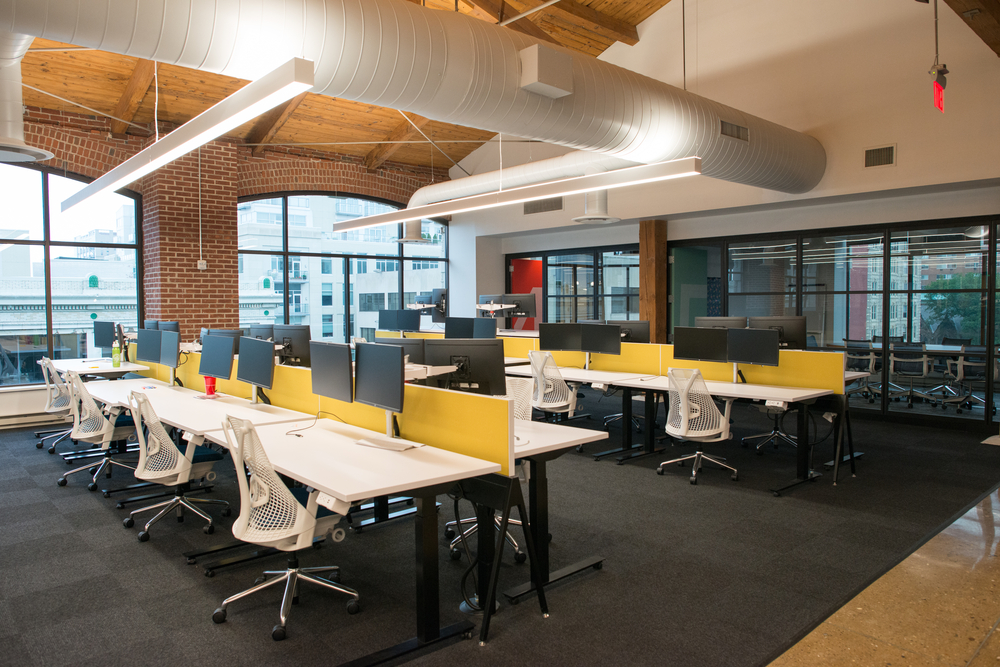
The Great Resignation is a sign that people are beginning to prioritize their physical and mental well-being when considering employment opportunities. The future of work is hybrid, flex-work, being partly at home and partly in the office.
So when employees do come in, their office time is highly intentional and purposeful. Your workplace layout must mirror this intentionality, not only through a healthy, energy-efficient building with clean air but well-placed interior layouts.
Retrofitting and updating modern offices.
To meet this trend head-on, FM companies can help firms create workspace layouts with appealing, comforting natural lighting, comfortable furniture, and lifestyle amenities (shown to enhance employee experience).
Research shows the importance of effective space management, as real estate is the second-highest expense for organizations.
Purposeful office spaces.
Another great option is creating sectioned-off spaces in your building that you can then repurpose to be more task-specific or interaction specific: a room for client meetings, team collaborations, or personal quiet work time.
The goal of FM-guided office planning is to improve employee satisfaction and, ultimately, productivity.
5. Integrating Related Services and Adding Value

The scope of services offered by facilities management companies isn’t limited to regular maintenance on buildings, fixing light bulbs, or multi-split furnaces. It extends well past that.
Providing great value through additional related services is a major trend that FM companies are jumping on — services like project management, organizational consulting, and transaction management.
There are numerous functions associated with providing high-value, related services.
Energy management. In this case, there is an active focus put on how to best conserve energy usage in a building. It can take the form of implementing retrofits and procedural changes.
Production maintenance is another common service; it can include things like cleaning and repairing assembly stations, equipment, and testing stations.
The benefits of this trend are that fewer people are involved, which makes for lightning-fast decisions. It’s far easier to manage all of the work categories involved too.
Actions Your Business Can Take Today

FM companies can assess their organizational maturity and ability to manage vendor relationships.
This can be done directly and indirectly.
- Invest in external expert training to better learn digital technologies
- Organize joint meetings with suppliers and act on stakeholder satisfaction surveys
Leverage facilities management resources as a priority.
Tapping into an FM company’s resources can lead to a wealth of savings. A business’s chief product officer or chief operations officer can work with a facility management team to transform its pipeline for savings.
Ensure you have a cross-functional team.
Facility management companies have to have a well-integrated organizational structure, composed of cross-functional team members. At Omnia360, we have just that. The focus is on easy collaboration and agile work order implementation.
Build a case for investing in proposed trends.
To implement these trends, you’ll need to get your stakeholders on board. Create a business case with a successful, controlled pilot project. You can use the results to showcase proof of why your organization should invest in these strategies.
Design an integrated implementation road map.
Develop a comprehensive and long-term strategy to incorporate the latest facility management trends. Gradually implementing these new strategies and keeping track of the resulting changes is the best method.
Review, audit and refine your strategies.
Leaders in your organization should establish a regular quarterly review of your FM strategy processes in order to better refine and hone your overarching vision.
Schedule Integrated Facility Management Solutions with Omnia360
Our company keeps up with the latest trends, technologies, and advances in our industry. We help manage your building’s needs at any time (on-call mobile mechanics are available 24/7) with the help of our cross-trained tradesmen and specialists. Contact us today for a free quote.