Winter Safety Tips Every Industrial Maintenance Team Should Follow
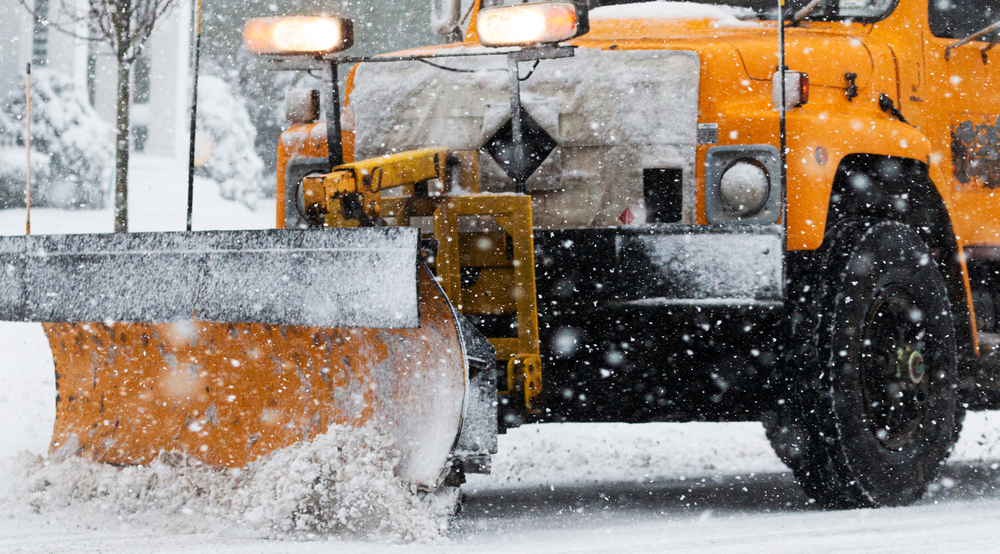
Winter brings unique challenges to industrial and commercial operations. From slippery walkways to frozen pipes and strained HVAC systems, facility conditions can deteriorate fast without proactive planning. Your industrial maintenance team plays a vital role in preventing these seasonal risks.
By preparing facilities, inspecting equipment, and ensuring staff safety, they help keep operations running smoothly throughout the cold months. Below are essential winter safety practices every industrial maintenance team should follow to protect both people and property.
Get a Free Assessment From Omnia360
Conduct Thorough Winter Hazard Inspections
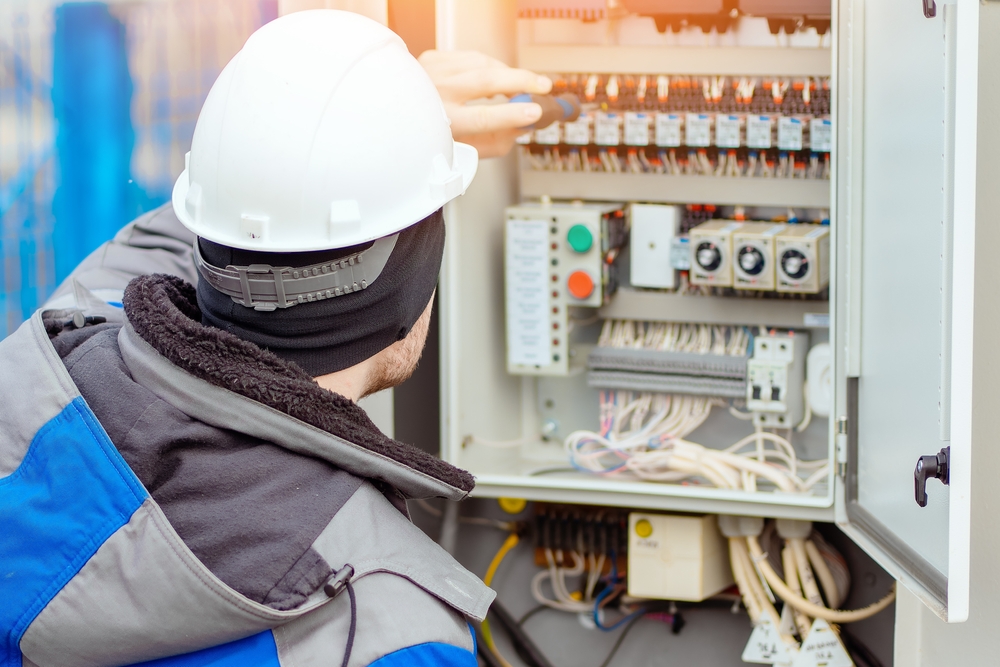
Before the first deep freeze, conduct a complete audit of your facility to identify and correct potential hazards. Winter often exposes vulnerabilities that aren’t obvious during warmer months, making seasonal inspections especially critical.
Areas to Inspect
- Icy walkways and parking lots: Apply de-icing materials early and often to prevent slips and falls.
- Entrances and loading bays: Install anti-slip mats and ensure drainage systems prevent re-freezing.
- Roof and gutter systems: Check for blockages or ice dams that could lead to leaks or structural stress.
- Exposed pipes and valves: Insulate them to prevent freezing, bursting, or loss of pressure.
Regular inspections and prompt corrective action reduce the likelihood of accidents while maintaining productivity. A good rule of thumb is to perform inspections weekly during peak winter conditions.
Maintain Clear Emergency Exits and Pathways
Snow and ice accumulation can easily block emergency routes, creating serious compliance and safety violations. The Occupational Safety and Health Administration (OSHA) requires all exit routes to be accessible and safe year-round.
Industrial Maintenance Responsibilities
The industrial maintenance team should ensure that:
- All exits and access routes remain unobstructed, including stairways, ramps, and driveways.
- Snow and ice removal occurs promptly, with staff assigned to clear paths after each storm.
- Proper lighting is maintained along outdoor passages to prevent nighttime accidents.
- Slip-resistant mats and signage are used in high-traffic areas prone to moisture.
Creating a pathway maintenance schedule tailored to your facility’s size and layout helps crews efficiently manage snow and ice while staying compliant.
Prepare and Service Building Systems
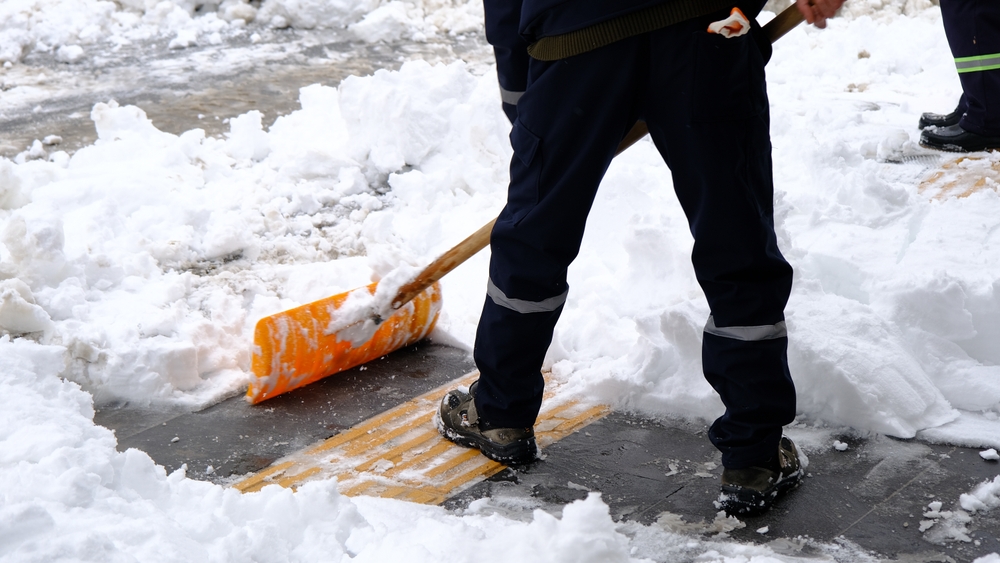
Cold weather puts tremendous stress on HVAC systems, boilers, and plumbing, especially in large industrial environments. A single boiler or pipe failure can halt operations and lead to costly damage.
Preventive System Maintenance
- Heating system inspections: Check and calibrate thermostats, clean filters, and verify airflow across heating units.
- Boiler servicing: Inspect for sediment buildup, test pressure relief valves, and review combustion efficiency.
- Plumbing protection: Wrap exposed pipes, seal drafts in pump rooms, and confirm that temperature sensors function properly.
- Insulation reviews: Reinforce insulation in attics, basements, and wall cavities to retain heat and reduce utility costs.
These proactive steps align with the preventative maintenance programs Omnia360 recommends for commercial clients.
Stock and Deploy Essential Winter Safety Supplies
The weather can change rapidly during winter, making it essential to keep safety materials and response tools readily available. Industrial maintenance teams should stock and routinely check supplies to ensure they’re usable when needed.
Recommended Winter Supplies
- Salt, sand, or ice melt for exterior surfaces
- Shovels, snow blowers, and push spreaders
- Heater fans and portable dehumidifiers
- Backup generators or power supplies
- Cold-weather PPE, such as gloves, traction boots, thermal gear, and reflective vests
Readily available supplies empower industrial maintenance staff to act quickly and safely. Stock these materials in accessible, clearly labeled areas to reduce downtime during storms or temperature drops.
Train the Industrial Maintenance Team on Safety Protocols
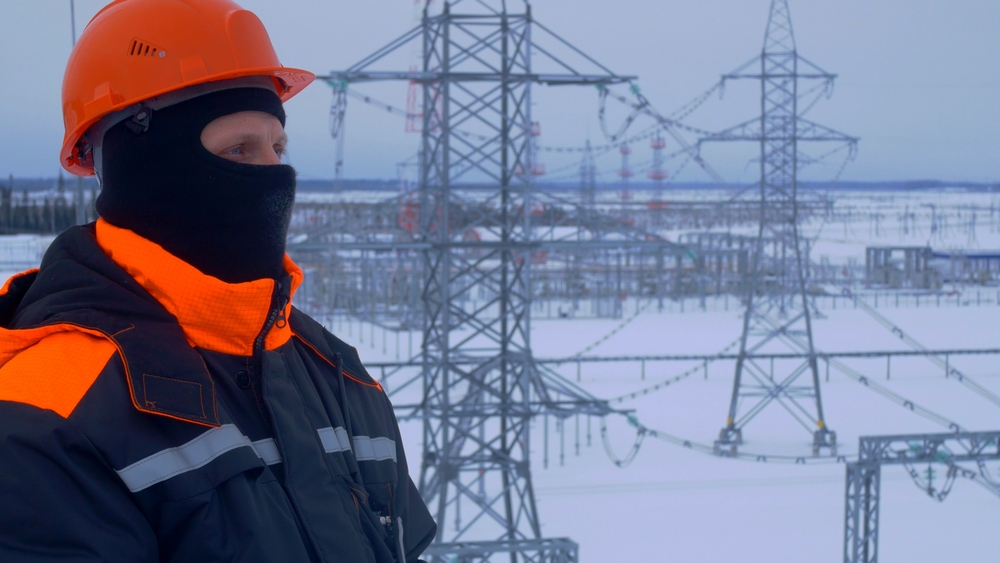
Consistent communication is the backbone of any safe and efficient maintenance operation. Because winter introduces new risks weekly, team briefings and refresher training sessions are crucial.
Tips for Effective Safety Communication
- Pre-season training: Review emergency response plans, from boiler malfunctions to slips and falls.
- Incident reporting protocols: Encourage immediate reporting of new hazards like black ice or frozen valves.
- Cross-department coordination: Ensure operations, facility management, and onsite contractors share updates on risks and priorities.
- Regular safety audits: Assign supervisors to verify that teams follow PPE and inspection guidelines daily.
Why Proactive Industrial Maintenance Matters
The best way to avoid workplace accidents and costly disruptions during winter is through preparation. Industrial facilities that invest in proactive maintenance and staff readiness experience:
- Fewer safety incidents and workers’ compensation claims
- Lower repair costs and utility expenses from efficient heating and insulation
- Minimal operational downtime thanks to early detection of critical system issues
- Improved employee morale and trust in facility safety protocols
Ultimately, a safe, effective winter maintenance strategy protects both your people and your investments, keeping production uninterrupted and compliant with safety regulations.

Master Safety and Compliance With Omnia360
At Omnia360, safety and reliability are at the core of every maintenance solution we deliver. Our industrial maintenance services are designed to help facilities prepare for winter’s toughest challenges—before they cause disruptions.
By partnering with Omnia360, you can:
- Develop a customized winter safety checklist tailored to your property’s needs.
- Establish automated preventive maintenance schedules for critical systems.
- Coordinate emergency response plans to handle weather-related incidents efficiently.
From hazard inspections to building system optimization, our team provides the expertise and reliability industrial environments demand.
Protect your facility. Protect your team.
Contact Omnia360 today to strengthen your winter readiness and ensure your operations stay safe and efficient all season long.