What Is Condition-Based Monitoring?

Foreseeing potential issues and proactively addressing them is a game-changer.
Condition-based monitoring is a maintenance method of constantly monitoring the condition of your systems using sensors and data to stay informed. This method keeps your business informed on maintenance trends, which can help predict future issues.
We’ll share how facility management services leverage this strategy to enhance efficiency and save businesses money.
Understanding Condition-Based Monitoring
Condition-based monitoring (CBM) is a proactive maintenance strategy relying on real-time data to assess the health of equipment and assets.
Unlike traditional reactive maintenance, where repairs occur after a breakdown, CBM enables predictive maintenance by continuously monitoring the condition of equipment. This approach involves analyzing data like vibrations, temperature, and pressure to identify potential issues before they escalate into major problems.
Real-World Example of Condition Monitoring
Let’s consider a manufacturing facility that relies on a critical conveyor belt system.
In a traditional setup, the maintenance team might follow a fixed schedule for belt replacements, leading to unnecessary downtime and costs. With condition-based monitoring, sensors are strategically placed on the conveyor system to monitor factors like belt tension, vibration, and temperature.
Related Post: What’s the Difference – Preventive vs. Predictive Maintenance
If the sensors detect deviations from the correct temperature range, an alert is triggered. The maintenance team can then intervene with targeted repairs or replacements, preventing breakdowns and minimizing downtime.
This approach ensures the longevity of the conveyor system and reduces the overall maintenance costs compared to scheduled replacements.
How Facility Management Services Utilize Condition-Based Monitoring
By integrating condition-based monitoring into our toolkit, the team at Omnia360 can help maintain the smooth operation of commercial and industrial spaces.
Proactive Equipment Maintenance
CBM allows facility management teams to monitor the health of essential equipment like HVAC, elevators, and electrical systems. By identifying potential issues before they escalate, management can schedule targeted maintenance, preventing costly breakdowns and extending the lifespan of equipment.
Energy Efficiency Optimization
Energy consumption is a significant cost for many facilities. CBM can be applied to monitor and optimize energy usage by identifying inefficiencies in systems such as lighting, heating, and cooling.
Enhanced Space Utilization
Facility managers can make informed decisions about space allocation by analyzing data on foot traffic, room occupancy, and environmental conditions.
How Condition-Based Monitoring Can Save Your Business Money
Reduced Downtime and Productivity Loss
The proactive nature of CBM ensures that potential issues are identified before leading to equipment failure, significantly reducing unplanned downtime.
Related Post: Enhancing Efficiency: Industrial Plants & Integrated Facility Solutions
Proactive monitoring allows businesses to maintain uninterrupted operations.
Optimized Maintenance Cost
Traditional maintenance strategies often involve routine replacements, regardless of the actual condition of the equipment.
CBM enables targeted maintenance interventions, eliminating the need for unnecessary, costly replacements. This optimization of maintenance costs ensures resources are allocated efficiently, maximizing the ROI of facility management services.
Extended Asset Lifespan
By addressing potential issues before they escalate, CBM contributes to the extended lifespan of critical assets. This means businesses can get more value from their investments in equipment, reducing the frequency of replacements and the associated capital expenditures.
Omnia360 Can Help Your Business Run Efficiently
By proactively monitoring equipment, businesses can experience substantial savings while ensuring efficient operation. Every dollar counts, so contact Omnia360 at (833) 360-6642 to start meeting your productivity goals.
How Often Should Commercial HVAC Be Serviced?
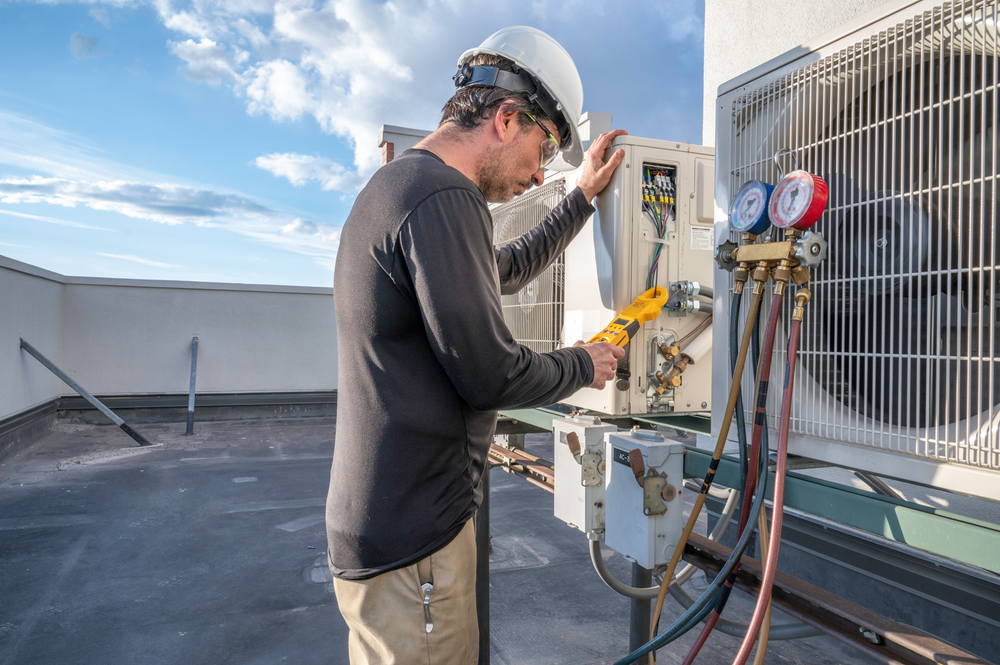
You probably don’t think about your business’s HVAC system every day. It’s easy to take it for granted—until it falters. To ensure your commercial HVAC system operates at its best, how often should it be serviced?
From energy efficiency to cost savings and environmental impact, we’ll share what goes into preventative care for commercial HVAC systems.
How Often Should Commercial HVAC Be Maintained?
A general guideline is to perform routine maintenance at least twice a year.
However, the frequency of maintenance for commercial HVAC systems can vary depending on factors such as the type of system, the size of the facility, the local climate, and the business’s specific needs.
Here is a suggested maintenance schedule.
Spring and Early Summer:
- Check and replace air filters.
- Inspect and clean evaporator and condenser coils.
- Inspect and clean drain pans and condensate lines.
- Check refrigerant levels.
- Inspect ductwork for leaks.
- Test thermostat operation.
Fall and Early Winter:
- Check and replace air filters.
- Inspect and lubricate fan motors and other moving parts.
- Inspect and clean burners (for heating systems).
- Check and tighten electrical connections.
- Test the heating system.
- Inspect the overall system for any signs of wear or damage.
Additionally, some components may require more frequent attention. For example, air filters may need to be checked and replaced more often, especially in environments with high dust or pollutant levels.
Another consideration is how hard your HVAC system works. Are there large, wide-open spaces that utilize exhaust fans? Do you need a clean room for precision work? Are there rooms that must be kept at precise temperatures? What about rooms that get too hot or too cold due to your industrial processes? You may need quarterly maintenance or checks for special conditions.
Related Post: How Facility Management Services Lower Your Energy Bill
These are general guidelines, and specific HVAC systems may have their own recommended maintenance schedules provided by the manufacturer. Regular maintenance helps ensure the efficient operation of the HVAC system, improves energy efficiency, prolongs equipment life, and reduces the risk of unexpected breakdowns at the most inconvenient times. Establishing a routine maintenance plan and working with a qualified team can help keep your system in optimal condition.
How Long Do Commercial HVAC Systems Last?
The lifespan of a commercial HVAC system can vary depending on the type of system, its usage, the quality of installation, and the level of maintenance it receives. Commercial HVAC systems can last anywhere from 15 to 25 years on average.
Here are some factors that can influence the lifespan of a commercial HVAC system.
Type of system: Different types of HVAC systems have different lifespans. For example, rooftop packaged units, which are common in commercial settings, typically have a lifespan of 15 to 20 years.
Maintenance: Regular and proper maintenance is crucial for extending the lifespan of an HVAC system. Routine inspections, cleaning, and timely repairs can prevent breakdowns and ensure the system operates efficiently.
Usage and load: The frequency and intensity of HVAC system usage impact its lifespan. Systems that constantly run or experience extreme temperature variations may wear out more quickly.
Installation quality: A properly installed HVAC system is likely to have a longer lifespan. Poor installation can lead to issues such as improper airflow, which can strain the system and reduce efficiency.
Technological advances: Advancements in HVAC technology may lead to more efficient and durable systems. Older systems may become outdated and less energy-efficient over time.
Environmental conditions: The climate conditions in which the HVAC system operates can affect its lifespan. For example, systems in coastal areas may be exposed to salt air, which can accelerate corrosion.
Manufacturer and model: The equipment’s quality and the manufacturer’s reputation can influence the system’s lifespan. High-quality systems from reputable manufacturers may have a longer operational life.
Businesses need to monitor the performance of their HVAC systems, conduct regular inspections, and follow a proactive maintenance plan to maximize the lifespan of the equipment. There are high-tech ways to do this with IoT devices and sensors that deliver data wirelessly to a facility management software suite.
Related Post: 6 Signs It’s Time to Replace Your Commercial HVAC System
When a system reaches the end of its lifespan or experiences frequent issues, replacing it with a newer, more efficient model may be more cost-effective. Regular consultations with HVAC professionals can help businesses decide when to repair or replace their commercial HVAC systems.
Is HVAC Preventative Maintenance worth it?
Yes, HVAC preventative maintenance is worth it. Regular maintenance provides several benefits that can save you money in the long run and ensure the optimal performance of your HVAC system.
Related Post: 4 Phases of Planned HVAC Maintenance Explained
Here are some key reasons why preventative maintenance is worthwhile.
- Energy efficiency: Regular maintenance ensures your HVAC system operates at peak efficiency. Clean coils, well-lubricated components, electrical switches and capacitors working well, and proper airflow all contribute to reduced energy consumption.
- Extended equipment lifespan: Routine maintenance helps identify and address potential issues before they become significant problems. This proactive approach can extend the lifespan of your HVAC equipment.
- Prevention of costly repairs: Small issues, if left unaddressed, can escalate into more extensive and more expensive problems. Preventative maintenance allows for the early detection and correction of issues.
- Improved indoor air quality: Regular cleaning and maintenance of HVAC components, such as filters and coils, improve indoor air quality. This is particularly important for commercial spaces where air quality can impact the health and productivity of occupants.
- Consistent comfort: A well-maintained HVAC system is better equipped to provide consistent heating or cooling throughout your facility. This is crucial for occupant comfort and can impact employee productivity and customer satisfaction.
- Compliance with warranty requirements: Many HVAC manufacturers require regular maintenance to maintain the warranty on their equipment. Skipping maintenance may void the warranty, leaving you responsible for repair or replacement costs.
- Reduced downtime: Scheduled maintenance allows for planned downtime when the system can be serviced without disrupting your business operations.
- Compliance with regulations: In some jurisdictions, some rules and standards require regular maintenance of HVAC systems to ensure energy efficiency and environmental compliance.
Contact Omnia360 Facility Solutions for HVAC Maintenance
While there is a cost associated with preventative maintenance, the long-term savings and benefits outweigh the initial investment. Omnia360 provides around-the-clock, comprehensive, preventative maintenance services that work with your in-house team. Contact us at (833) 360-6642.
Troubleshooting Your Commercial Furnace – Reasons It’s Not Working
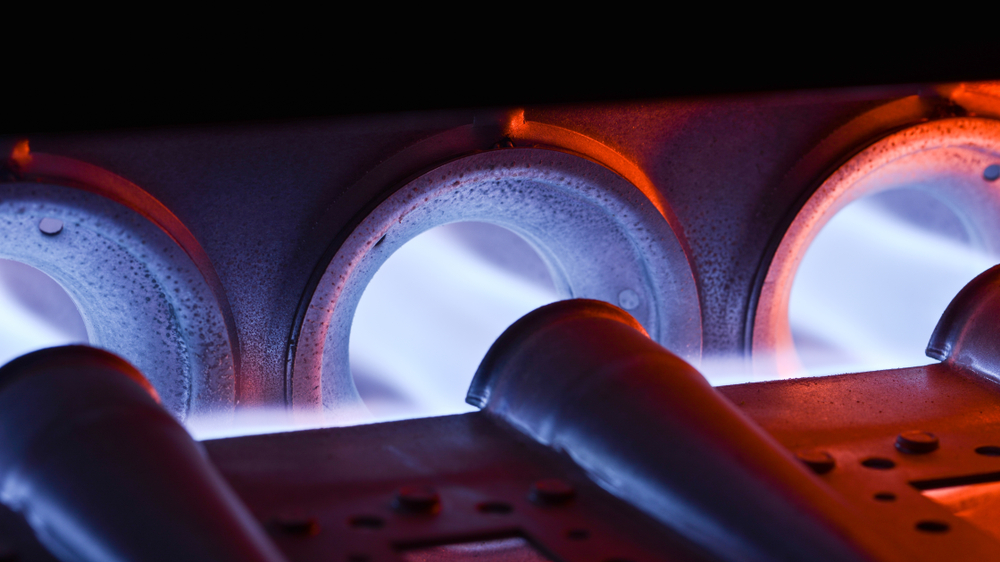
It’s cold, and if your business’s furnace goes out or is on the brink of quitting, you’re in trouble. When your commercial furnace isn’t working, it can disrupt your daily operations, impact employee morale, and cause customer dissatisfaction.
Omnia360 offers 24/7 comprehensive HVAC maintenance and repair, and we’ll share the most common reasons your furnace may not be functioning correctly and discuss troubleshooting steps.
Troubleshooting Your Commercial Furnace
When your commercial furnace malfunctions, first attempt troubleshooting to identify the issue. By addressing the problem early, you can prevent costly downtime and repairs.
Related Post: The Most Common Problems With Commercial HVAC Systems in Cincinnati, Ohio
Steps for Troubleshooting Commercial Furnaces
Check the thermostat: The thermostat is the brain of your heating system. Verify that it’s set to the correct temperature. Take the most basic steps first and ensure it’s on “Heat” mode and the fan is set to “Auto.” Replace the batteries if your thermostat is battery-operated.
Inspect the power supply: Confirm that the furnace is receiving power. Check the circuit breaker or fuse box to make sure it hasn’t tripped or blown a fuse. If everything seems fine, proceed to the next step.
Replace dirty air filters: Clogged or dirty air filters can impede airflow and strain your furnace. Change the air filters regularly, typically every 1 to 3 months, depending on usage and the type of filter.
Examine the pilot light: If you have a gas furnace, inspect the pilot light. It should be blue and steady. If it’s not lit or appears yellow, there might be a gas supply issue or a faulty pilot light. It’s essential to call a professional in such cases.
Check for obstructions: Make sure there are no obstructions in the heating system’s air ducts or vents. Obstructions can restrict airflow and lead to heating problems.
Test the safety switches: Modern commercial furnaces are equipped with safety switches that can turn off the system in case of an issue. Problems like a clogged condensate drain or a dirty flame sensor may trigger these switches. Reset it if necessary, but it’s vital to determine the root cause of the problem.
Listen for unusual sounds: Unusual sounds such as banging, whistling, or rattling could indicate mechanical issues within the furnace. If you hear these sounds, it’s advisable to turn off the furnace and contact a professional.
Common Commercial Heating Issues
To better understand why your commercial furnace isn’t working, you should know the common issues that heating systems face.
Here are some of the typical problems that can affect commercial furnaces:
Ignition problems: Faulty ignition systems can prevent your furnace from starting. This is a common issue with gas furnaces. A malfunctioning pilot light, ignition control module, or thermocouple can cause ignition problems.
Clogged air filters: Dirty or clogged air filters reduce airflow, making the furnace work harder to distribute heat. Over time, this strain can lead to overheating and system shutdowns.
Blower motor issues: The blower motor is responsible for circulating warm air throughout your facility. If it malfunctions, you may experience poor heating performance or airflow issues.
Heat exchanger damage: A cracked or damaged heat exchanger can allow carbon monoxide to escape into your facility. This is a severe safety concern and requires immediate attention.
Thermostat malfunctions: Problems with the thermostat, such as inaccurate temperature readings or a failure to communicate with the furnace, can lead to heating issues.
Pilot light and flame sensor problems: Gas furnaces rely on a properly functioning pilot light and flame sensor to ignite and maintain a steady flame. When these components malfunction, the furnace may not start or shut down prematurely.
Ductwork issues: Damaged or poorly insulated ductwork can result in heat loss, reducing the overall efficiency of your furnace. Leaks or obstructions in the ducts can disrupt the heating system’s performance.
Lack of maintenance: Regular maintenance is essential to keep your commercial furnace in good working condition. Neglecting maintenance can lead to problems, including decreased efficiency, increased energy costs, and premature system failure.
When to Call in Professional Help
While troubleshooting can resolve many common furnace issues, there are situations where professional assistance is required.
Related Post: 4 Phases of Planned HVAC Maintenance Explained
Recognizing when to call in the experts is crucial to prevent further damage and ensure the safety of your facility.
When You Should Contact a Commercial HVAC Technician
No improvement after troubleshooting: If your troubleshooting efforts do not resolve the issue, it’s time to seek professional help. Running the furnace without addressing the problem leads to further damage and increased repair costs.
Gas leaks or unusual odors: If you smell gas or detect any unusual odors, shut off your furnace immediately and evacuate the building. Gas leaks are hazardous and require immediate attention from a qualified technician.
Electrical issues: Problems with the electrical components of your furnace should be handled by a professional. This includes issues like malfunctioning thermostats, wiring problems, or issues with the control board.
Continuous cycling: If your furnace turns on and off repeatedly (short-cycling), it can indicate overheating, a malfunctioning thermostat, or a clogged air filter. A technician can diagnose and fix the problem.
Inadequate heating: If your furnace is running but not providing sufficient heat, it could be due to issues with the blower motor, heat exchanger, or other internal components. These problems require the expertise of a professional technician.
Carbon monoxide detector activation: If your facility is equipped with carbon monoxide detectors and one goes off, it may indicate a leak or improper combustion in your furnace. Evacuate the building and call for immediate professional assistance.
Age and lack of maintenance: If your furnace is reaching the end of its expected lifespan and needs to be adequately maintained, it’s advisable to have it inspected by a professional. They can assess its condition and recommend whether it’s time for a replacement.
Do You Need Furnace Repair? Contact Omnia360 Facility Solutions
A malfunctioning heating system disrupts your facility’s operations and impacts the comfort of your occupants. Know when to call in professional help to help you identify these problems early and prevent costly downtime.
Omnia360 provides around-the-clock, comprehensive, integrated facility management services that work with your in-house team. Contact us at (833) 360-6642.
What’s the Difference – Preventive vs. Predictive Maintenance

Routine maintenance services ensure the smooth operation of facilities, from commercial buildings to industrial complexes. Incorporating maintenance checks into your facility provides a productive business.
Two key strategies are preventive and predictive maintenance. In this blog, Omnia360 explains the differences between these two approaches and how they can maximize efficiency.
What’s the Difference?
Preventive maintenance is a strategy that prevents problems through regular inspections and scheduled maintenance. Predictive maintenance takes a data-driven approach, using technology to monitor equipment and facilities in real time and then using that information to plan.
Understanding Preventive Maintenance
Preventive maintenance is a proactive approach where maintenance activities are scheduled regularly, regardless of apparent equipment issues.
Related Post: 5 Preventative Maintenance Tips for Commercial Buildings
These tasks aim to prevent potential problems before they occur, ensuring that equipment and facilities remain in working condition with the aim of preventing expensive breakdowns and equipment replacement for as long as possible.
A preventative maintenance strategy includes steps like:
Scheduled inspections: Creating a detailed maintenance schedule, including routine inspections, cleaning, and minor repairs. With a structured timetable, potential issues can be identified and addressed before they escalate.
Cost control: Preventive maintenance helps control costs by minimizing unexpected breakdowns and expensive emergency repairs. By regularly servicing equipment and facilities, companies can extend their lifespan and reduce the need for replacements, ultimately saving money.
Enhanced safety: Regular inspections can uncover safety hazards, allowing for timely remediation. This proactive approach ensures a safer environment for occupants and employees within the managed facilities.
Understanding Predictive Maintenance
Predictive maintenance takes a more data-driven and condition-based approach. It uses technologies, such as sensors, IoT devices, and data analytics, to monitor the condition of equipment and facilities in real time.
Related Post: Top 5 Facility Management Trends in 2022
This approach enables maintenance teams to make informed decisions based on the actual health and performance of assets.
A predictive maintenance strategy includes steps like:
Data-driven insights: A comprehensive FM company should use sensors and monitoring systems to collect equipment and facility conditions data. This data is analyzed to identify trends and anomalies, enabling maintenance teams to predict when maintenance is needed. For example, an HVAC system has certain parameters based on how long the system runs and under what conditions. Based on these parameters, coupled with sensors that monitor energy consumption and output, the data
Reduced downtime: Predictive maintenance aims to minimize downtime by scheduling maintenance activities only when data indicates a potential issue. This approach optimizes the use of resources and reduces disruptions to facility operations.
Cost efficiency: By addressing maintenance needs precisely when they arise, companies can minimize unnecessary expenses associated with over-maintaining equipment. This can lead to substantial cost savings over time.
Improved asset performance: Predictive maintenance allows for the early detection of equipment degradation, enabling maintenance teams to replace or repair components before they fail. This leads to improved asset performance and longevity.
How to Choose the Right Approach
The choice between preventive and predictive maintenance depends on factors like the type of facility, equipment, budget, and goals. In most cases, though, a hybrid approach that combines elements of both strategies is ideal.
Omnia360 uses both preventive and predictive maintenance strategies in facility management.
Examples of a Blended Approach
Equipment importance: Critical equipment that, if it fails, could significantly impact facility operations or safety benefits from a predictive maintenance approach. Less critical equipment can still be maintained preventively.
Budget constraints: Budget considerations play a crucial role in the decision-making process. While predictive maintenance may require an upfront investment in technology, it can yield substantial long-term savings.
Facility complexity: The complexity of the facilities can influence the choice between preventive and predictive maintenance. Predictive maintenance can offer a more granular approach in environments with numerous assets.
Contact Omnia360 for Comprehensive Maintenance Services
Both preventive and predictive maintenance approaches have advantages, and the team at Omnia360 considers both to create a well-balanced system.
We provide around-the-clock, comprehensive, integrated facility management services that work with your in-house team. Contact us at (833) 360-6642.
Factors Affecting Commercial Cleaning Costs

Maintaining a clean business doesn’t just look good. It’s also essential for employee well-being, customer satisfaction, and overall operations.
Omnia360’s janitorial services play an essential role in providing commercial cleaning services. If your company is considering adding janitorial services to existing integrated facility solutions, you’ve probably asked, “How much does commercial cleaning cost?”
In this blog, we will discuss the various factors that influence commercial cleaning costs.
Building Type and Business Type
First, the size and complexity of a facility influence cost. Larger facilities with multiple floors, rooms, or specialized spaces require more time and resources.
Additionally, facilities with complex architectural designs or high-traffic areas may require more frequent or intensive cleaning, further impacting costs.
The frequency of cleaning services is another factor. Facilities that need daily cleaning will have higher expenses than those with weekly or monthly schedules. Omnia360 works closely with our clients to establish routines aligning with their needs and budgets.
Another consideration is the type of facility. Commercial cleaning services can vary depending on whether the facility is an office building, healthcare facility, manufacturing plant, or retail space. Each business has unique cleaning requirements and standards that affect pricing.
Related Post: Commercial Janitorial Services and Facility Solutions
Commercial cleaning includes a wide range of services like dusting, vacuuming, mopping, window cleaning, restroom sanitation, and more. The scope of services required by a client directly impacts costs. Some facilities may opt for basic cleaning, while others may request specialized services.
Omnia360 works with clients to establish detailed cleaning specifications. These specifications outline each cleaning service’s exact tasks, standards, and expectations.
Labor and Equipment
The quality of cleaning equipment and supplies used can influence costs. Some businesses have specific preferences for eco-friendly or high-quality cleaning products, which vary in price.
The labor force required to clean a facility is another factor that can affect prices. Consider factors such as labor wages, benefits, training, and supervision. Additionally, facilities with particular security or access requirements may require background-checked personnel, further affecting labor costs.
Related Post: How Regular Janitorial Inspections Save You Money by Omnia360
Occasionally, clients may require emergency cleaning services or special requests outside the regular cleaning schedule. Under Omnia360’s integrated facility solutions, we create comprehensive plans to account for these requests and customize services to your building.
Location
The facility’s location can also play a role in commercial cleaning costs.
Labor and overhead costs vary significantly between regions, affecting the overall pricing structure. Integrated facility management companies consider local factors when providing cost estimates to clients.
Related Post: The Role of Environmental Services Technicians in Facility Management
Commercial Building Cleaning With Omnia360
Commercial cleaning costs vary, so your facility management strategy must address your specific needs.
Whether you need a full cleaning team or just a few people to help with janitorial services, we have a solution for you. Contact Omnia360 or call toll-free at 1-833-360-6642 for more information.
Commercial Janitorial Services and Facility Solutions

In well-done facility management, a clean and hygienic environment is a necessity.
Commercial spaces like offices, healthcare facilities, retail establishments, or educational institutions require a comprehensive approach to their upkeep. This is where commercial janitorial services step into the spotlight as an essential part of integrated facility solutions.
Omnia360, in Cincinnati, Ohio, explains the significance of commercial janitorial services and how they contribute to a safe, healthy, and efficient working environment.
The Foundation of Integrated Facility Solutions
Integrated facility solutions mean a holistic approach to managing a commercial space, including maintenance and energy management. Commercial janitorial services are foundational in this approach by providing a well-functioning and pleasant environment.
Related Post: What are ‘Hard’ and ‘Soft’ Facility Management Services?
A clean and well-maintained space supports employees’ and customers’ health, productivity, and satisfaction.
Advantages of Commercial Janitorial Services
Health and Hygiene: The COVID-19 pandemic has shown the importance of maintaining a clean and hygienic environment.
Commercial janitorial services follow protocols to ensure that surfaces, high-touch areas, and shared spaces are regularly sanitized and disinfected. This proactive approach minimizes the spread of germs, reducing the risk of illnesses among occupants.
Positive first impressions: First impressions matter, especially for businesses that welcome clients or customers into their spaces. A well-maintained and clean environment speaks volumes about a company’s commitment to professionalism.
Occupant comfort and productivity: A clutter-free workspace contributes to occupant comfort and productivity. Employees are more likely to thrive in an organized and tidy environment.
Sustainable practices: Commercial janitorial services can adopt sustainable cleaning practices, using eco-friendly products and implementing waste reduction strategies.
Customized solutions: Different spaces have unique cleaning needs. Omnia360’s janitorial services can be tailored to meet the specific requirements of different industries, ensuring that the cleaning protocols address the distinct challenges each sector faces.
Compliance and safety: Certain industries, such as healthcare and food services, must adhere to strict cleanliness and sanitation standards to comply with regulations. Our services are aware of industry-specific requirements and can help businesses maintain compliance.
Strategies for Effective Integration
Integrating commercial janitorial services into facility management services requires strategic planning and coordination. Here’s how to make the most of this integration:
Related Post: Enhancing Efficiency: Industrial Plants & Integrated Facility Solutions
- Assessment: We’ll begin by thoroughly evaluating the facility’s cleaning needs. Identify high-traffic areas, specific sanitation requirements, and any challenges that must be addressed.
- Tailored Solutions: We’ll collaborate to develop customized cleaning solutions that align with your facility’s usage patterns, industry regulations, and budget constraints.
- Communication and Collaboration: Effective communication is critical to successful integration.
- Technology Integration: Omnia360’s team can leverage technology to enhance communication and streamline processes. Digital platforms can facilitate scheduling, track cleaning activities, and report real-time issues or discrepancies.
- Training and Development: We’ll ensure the janitorial team is well-trained in equipment usage and safety protocols. A well-trained team enhances efficiency and the quality of service provided.
A More Efficient Business
Learn more about Omnia360’s integrated facility management services or request a FREE assessment.